The Vatican has issued a warning that artificial intelligence poses significant risks, including increased social control, manipulation, and the creation of an uncontrollable, hyper-connected world. It argues digital culture dehumanizes society by eroding historical sense and reducing experiences to fleeting moments.
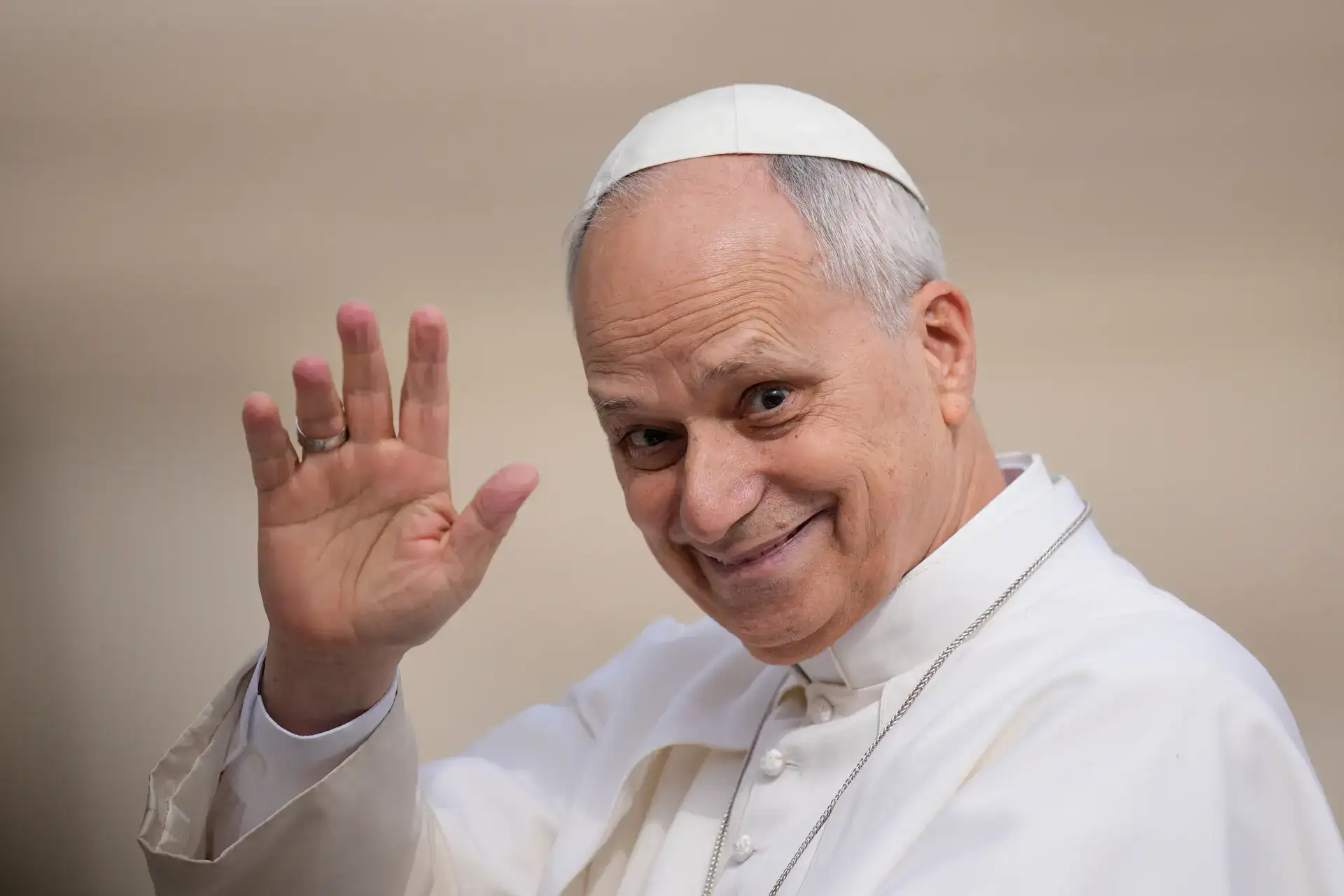
The document emphasizes that strong human relationships, particularly within families, act as a crucial barrier against homogenizing globalization and the negative impacts of technology. It was approved by Pope Leo XIV, who has consistently cautioned that AI can reproduce creator biases and should not be used for military life-and-death decisions.
These warnings coincide with rapid advancements in generative AI, which is becoming increasingly adept at replicating human-made works.
Main topics: Vatican's warning on AI risks, dehumanizing effects of digital technology, the importance of human relationships, Pope Leo XIV's stance on AI, advancements in generative AI.
The Vatican on Wednesday warned artificial intelligence could lead to "social control" and "manipulation" and called for more focus on human relationships to counter the dehumanising effects of digital technology.
In a wide-ranging document with the Latin title "Quo Vadis, Humanitas?" (Whither Humanity?), the Vatican's International Theology Commission said humanity was faced with "never before imagined risks" from tech.
"Today we are witnessing a loss of the sense of history and a reduction of experience to the fleeting moment," the document said.
"Digital culture tends to... transform the living culture of memory and hope into a postmodern culture of a present closed in on itself."
It said AI was creating a "hyper-connected" world with "an increasing acceleration of economic, political, social, and military dynamics that risk becoming uncontrollable and therefore ungovernable".
"In such a world, human action itself becomes material to be analysed and shaped according to power or market goals that are not always transparent. Social control increases, as does the risk of manipulation," it said.
It said relationships, particularly within families, were "a barrier against the spread of a homogenising globalisation, which does not always help to shape authentic bonds".
The document was approved by Pope Leo XIV, who has repeatedly warned about the risks of generative artificial intelligence.
In a message marking the World Day of Social Communications in January, Pope Leo said AI systems reflect the worldview of their creators and can reproduce biases.
He has also condemned the use of AI by the military, warning against delegating life-and-death decisions to machines.
The Vatican's warnings come as generative AI makes leaps and bounds towards replicating, altering and manufacturing images, music and text to levels sometimes indistinguishable from human-made works.
In a wide-ranging document with the Latin title "Quo Vadis, Humanitas?" (Whither Humanity?), the Vatican's International Theology Commission said humanity was faced with "never before imagined risks" from tech.
"Today we are witnessing a loss of the sense of history and a reduction of experience to the fleeting moment," the document said.
"Digital culture tends to... transform the living culture of memory and hope into a postmodern culture of a present closed in on itself."
It said AI was creating a "hyper-connected" world with "an increasing acceleration of economic, political, social, and military dynamics that risk becoming uncontrollable and therefore ungovernable".
"In such a world, human action itself becomes material to be analysed and shaped according to power or market goals that are not always transparent. Social control increases, as does the risk of manipulation," it said.
It said relationships, particularly within families, were "a barrier against the spread of a homogenising globalisation, which does not always help to shape authentic bonds".
The document was approved by Pope Leo XIV, who has repeatedly warned about the risks of generative artificial intelligence.
In a message marking the World Day of Social Communications in January, Pope Leo said AI systems reflect the worldview of their creators and can reproduce biases.
He has also condemned the use of AI by the military, warning against delegating life-and-death decisions to machines.
The Vatican's warnings come as generative AI makes leaps and bounds towards replicating, altering and manufacturing images, music and text to levels sometimes indistinguishable from human-made works.
 Meridiano