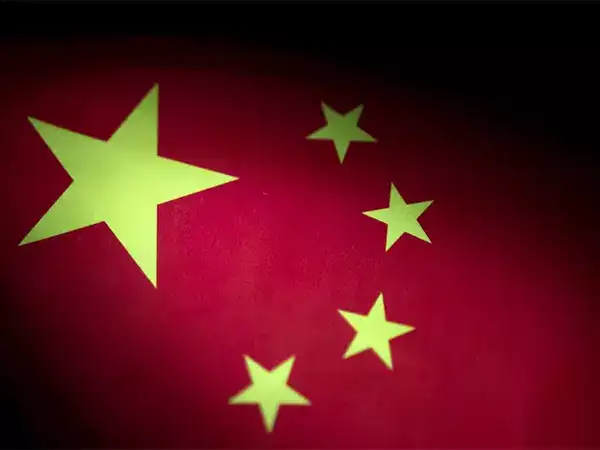
China has pledged to deepen investment in high-tech industries and scientific innovation, framing this as essential for security and self-reliance amid geopolitical rivalry. It announced increased defense and R&D spending, while setting a slightly lower economic growth target to manage industrial overcapacity and weak domestic demand.
The government's latest five-year plan emphasizes building a "new economy" based on technology like AI and advanced manufacturing to replace real estate as a growth engine. It aims to significantly boost the digital economy's share of GDP and develop "new productive forces" to insulate China from U.S. export controls.
Fiscal stimulus plans remain steady, with a budget deficit target similar to last year. The government also announced modest increases in pensions and medical subsidies, acknowledging demographic challenges, though analysts note consumer support measures are limited compared to expansive industrial policy.
Main Topics: China's economic policy and growth targets; High-tech and innovation investment (AI, semiconductors); Industrial overcapacity and rebalancing; Geopolitical tensions and self-reliance; Fiscal stimulus and social spending.
China on Thursday vowed to deepen investment in high-tech industries and scientific innovation, framing them as essential to bolstering security and self-reliance amid rising geopolitical tensions and an intensifying rivalry with the U.S.
At the opening of the annual parliament meeting, Premier Li Qiang praised China's ability to withstand U.S. President Donald Trump's tariff hikes, but said "multilateralism and free trade are under severe threat," and announced 7% increases in the national defence budget, as well as in research and development.
Beijing âset its economic growth target â for 2026 â at 4.5%-5%, a slight downgrade from the 5% pace achieved last year, which leaves room for greater, albeit not decisive, efforts to curb industrial overcapacity and rebalance the economy.
China's 15th five-year plan, as widely expected, pledged investments in innovation and industrial upgrading, as well as a "notable" - but unspecified - increase in household consumption as a share of economic output.
The pledges show that Beijing is concerned weak domestic demand makes the world's second-largest economy too reliant on exports for growth, but that it also does not want to abandon efforts to upgrade its vast industrial complex, which gives it supply chain leverage over Washington and its allies.
"The imbalance between strong supply and weak demand is acute, market expectations are weak, and there are many risks and hidden dangers in key areas," Li said, noting the persistent property sector downturn and strained local government finances.
Economists say a lower â growth target allows âBeijing to experiment with adjustments to industrial overcapacity - blamed for strong deflationary headwinds - but cautioned that this did not mean a departure from its production-focused growth model.
Beijing may tolerate some shake-out in lower value-added sectors, but it still sees manufacturing as the backbone of its national security, analysts say.
"Beijing is â trying to manage a 'controlled glide' in growth while building a new economy based on technology rather than property," said Andy Ji, Asian FX & rates analyst at ITC Markets.
"It is a high-stakes rebalancing where the government is betting the house on AI and advanced manufacturing to replace the aging real estate engine."
The five-year plan aims to raise the value-added of "core digital economy industries" to 12.5% of GDP. The government will also roll out policies for an integrated national data market and establish a system for AI security risk prevention.
The commitment to step up spending on research and development amounts to a 40% increase over the term of the five-year plan. That funding mandate is designed to develop what President Xi Jinping has dubbed "new productive forces" in areas like AI and semiconductors and insulate China from U.S. export controls.
China pledged support for "breakthrough" developments across a range of industries, from farm seeds and biomedicine to semiconductors and machine tools.
Steady stimulus plans
Zhiwei Zhang, chief economist at Pinpoint Asset Management, said the lower growth target was a "big step" that showed "the quality of growth is more important than the speed of growth" for Beijing.
In terms of stimulus, China plans a budget deficit of 4.0% of gross domestic product, similar to last year. It set unchanged special debt issuance quotas for the central government of â 1.3 trillion yuan ($188.49 billion) and for local governments at 4.4 trillion yuan.
China pledged to raise minimum monthly pensions by 20 yuan per person and basic medical insurance subsidies for rural, non-working people by 24 yuan. It said it wants to increase education spending, subsidise childcare and reform public hospitals, acknowledging the demographic downturn.
Analysts at the Mercator Institute for China Studies describe promises to consumers as "hollow," saying that the leadership believes expansive support to key industries serves national interests best at a time of great power competition.
"Precariously balanced as it is, China's economic policy will continue to systematically favour companies over households," MERICS analysts wrote in a note before the parliament meeting.
"Beijing will persist in slow-rolling measures to expand social welfare, while using generous subsidies and tax incentives to drive industrial growth and upgrading."
Bo Zhengyuan, partner at research consultancy Plenum, said China, a major energy and food importer, now also faced fresh challenges from the U.S.-Israeli military actions against Iran.
"It could impact both China's export and energy prices, both of which are not at their ideal conditions for stimulating growth," he added. ($1 = 6.8969 Chinese yuan renminbi)
At the opening of the annual parliament meeting, Premier Li Qiang praised China's ability to withstand U.S. President Donald Trump's tariff hikes, but said "multilateralism and free trade are under severe threat," and announced 7% increases in the national defence budget, as well as in research and development.
Beijing âset its economic growth target â for 2026 â at 4.5%-5%, a slight downgrade from the 5% pace achieved last year, which leaves room for greater, albeit not decisive, efforts to curb industrial overcapacity and rebalance the economy.
China's 15th five-year plan, as widely expected, pledged investments in innovation and industrial upgrading, as well as a "notable" - but unspecified - increase in household consumption as a share of economic output.
The pledges show that Beijing is concerned weak domestic demand makes the world's second-largest economy too reliant on exports for growth, but that it also does not want to abandon efforts to upgrade its vast industrial complex, which gives it supply chain leverage over Washington and its allies.
"The imbalance between strong supply and weak demand is acute, market expectations are weak, and there are many risks and hidden dangers in key areas," Li said, noting the persistent property sector downturn and strained local government finances.
Economists say a lower â growth target allows âBeijing to experiment with adjustments to industrial overcapacity - blamed for strong deflationary headwinds - but cautioned that this did not mean a departure from its production-focused growth model.
Beijing may tolerate some shake-out in lower value-added sectors, but it still sees manufacturing as the backbone of its national security, analysts say.
"Beijing is â trying to manage a 'controlled glide' in growth while building a new economy based on technology rather than property," said Andy Ji, Asian FX & rates analyst at ITC Markets.
"It is a high-stakes rebalancing where the government is betting the house on AI and advanced manufacturing to replace the aging real estate engine."
The five-year plan aims to raise the value-added of "core digital economy industries" to 12.5% of GDP. The government will also roll out policies for an integrated national data market and establish a system for AI security risk prevention.
The commitment to step up spending on research and development amounts to a 40% increase over the term of the five-year plan. That funding mandate is designed to develop what President Xi Jinping has dubbed "new productive forces" in areas like AI and semiconductors and insulate China from U.S. export controls.
China pledged support for "breakthrough" developments across a range of industries, from farm seeds and biomedicine to semiconductors and machine tools.
Steady stimulus plans
Zhiwei Zhang, chief economist at Pinpoint Asset Management, said the lower growth target was a "big step" that showed "the quality of growth is more important than the speed of growth" for Beijing.
In terms of stimulus, China plans a budget deficit of 4.0% of gross domestic product, similar to last year. It set unchanged special debt issuance quotas for the central government of â 1.3 trillion yuan ($188.49 billion) and for local governments at 4.4 trillion yuan.
China pledged to raise minimum monthly pensions by 20 yuan per person and basic medical insurance subsidies for rural, non-working people by 24 yuan. It said it wants to increase education spending, subsidise childcare and reform public hospitals, acknowledging the demographic downturn.
Analysts at the Mercator Institute for China Studies describe promises to consumers as "hollow," saying that the leadership believes expansive support to key industries serves national interests best at a time of great power competition.
"Precariously balanced as it is, China's economic policy will continue to systematically favour companies over households," MERICS analysts wrote in a note before the parliament meeting.
"Beijing will persist in slow-rolling measures to expand social welfare, while using generous subsidies and tax incentives to drive industrial growth and upgrading."
Bo Zhengyuan, partner at research consultancy Plenum, said China, a major energy and food importer, now also faced fresh challenges from the U.S.-Israeli military actions against Iran.
"It could impact both China's export and energy prices, both of which are not at their ideal conditions for stimulating growth," he added. ($1 = 6.8969 Chinese yuan renminbi)
 Meridiano