 Meridiano
Article Details
- Title
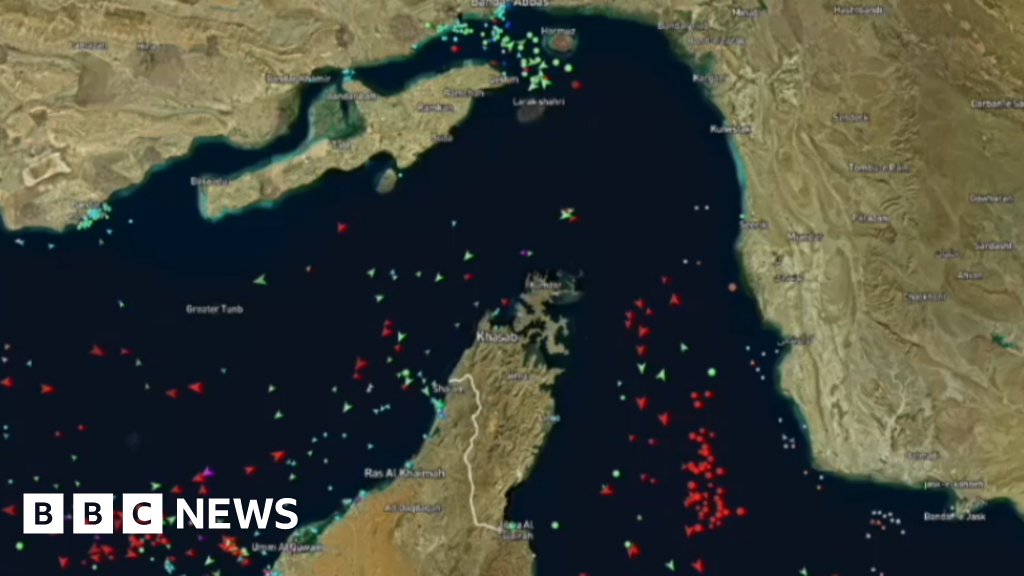
- Article: Timelapse shows change in the flow of ships in the Strait of Hormuz
- Impact Score
- 8 / 10
- AI Summary (Processed Content)
-
Summary: A timelapse reveals a decrease in ship traffic through the strategically vital Strait of Hormuz, a chokepoint for roughly 20% of global oil and gas. This follows a military offensive by the US and Israel against Iran and a threat from an Iranian general to halt regional oil exports. A blockade could significantly disrupt global energy supplies, raising costs worldwide and impacting major economies like China, India, and Japan.
Main Topics Covered: 1. Disruption of shipping traffic in the Strait of Hormuz. 2. The geopolitical conflict involving Iran, the US, and Israel. 3. The global economic implications of a potential blockade on energy supplies and trade.
- Original URL
- https://www.bbc.com/news/videos/cze004wywz3o?at_medium=RSS&at_campaign=rss
- Source Feed
- BBC News
- Published Date
- 2026-03-05 12:38
- Fetched Date
- 2026-03-05 11:00
- Processed Date
- 2026-03-05 11:03
- Embedding Status
- Present
- Cluster ID
- Not Clustered
- Raw Extracted Content