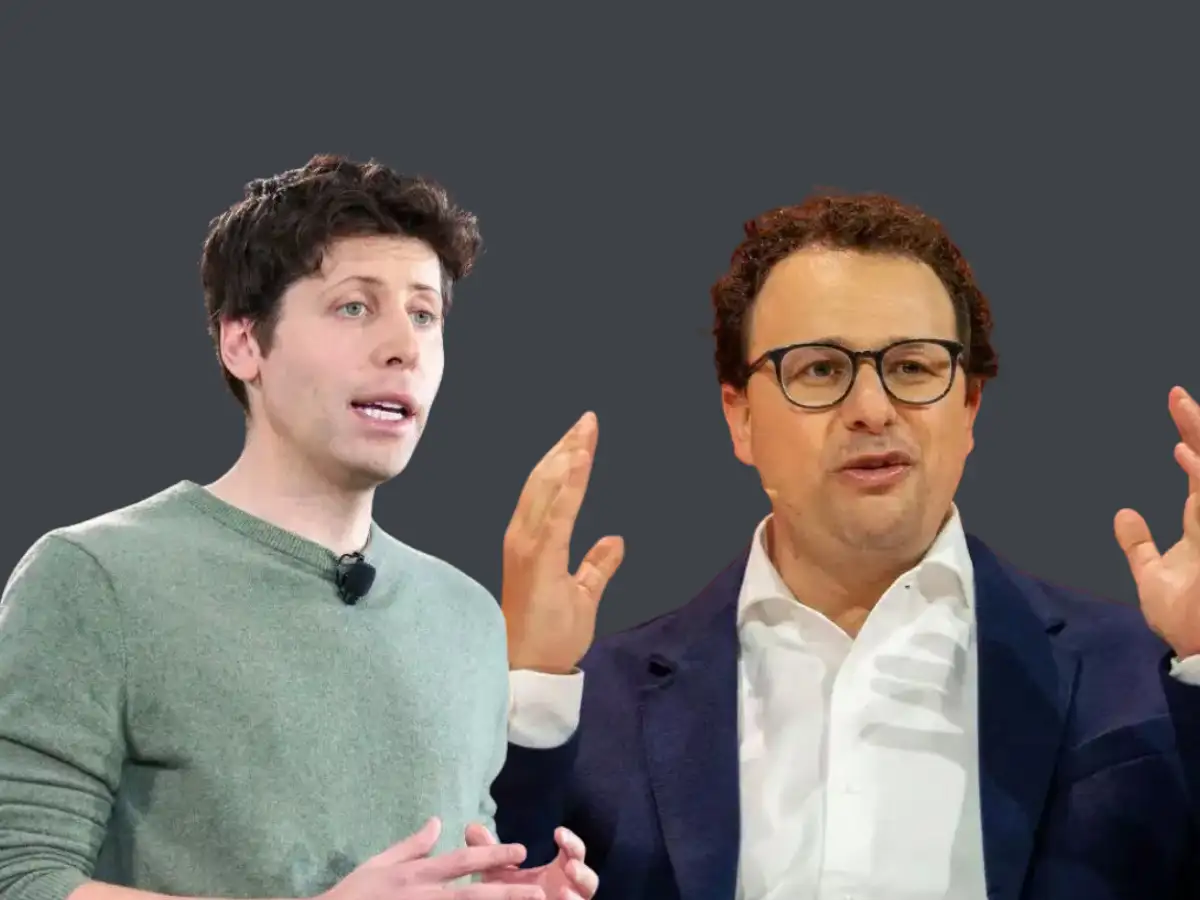
OpenAI CEO Sam Altman criticized rival Anthropic, arguing it is harmful for companies to abandon democratic norms due to political disagreements. He stated governments should hold more authority than corporations, remarks made amid public tensions between the two AI firms.
The feud stems from differing approaches to a Pentagon deal, with Anthropic's CEO criticizing OpenAI's agreement as opportunistic, while OpenAI claims its deal includes similar ethical safeguards. Anthropic's earlier rejection of a broader military deal led to retaliatory action from the Trump administration, which the company is challenging.
Despite the conflict, negotiations have resumed, with Anthropic restarting discussions with the Pentagon to establish acceptable guardrails for military use of its AI models.
Main Topics: Rivalry between OpenAI and Anthropic, corporate ethics and democratic norms, government authority over private companies, military contracts and AI safeguards, political tensions involving the Trump administration.
OpenAI chief executive Sam Altman on Thursday took a swipe at rival AI firm Anthropic, saying it would be harmful for society if companies abandoned democratic norms simply because they disagreed with the political leadership in power.
Speaking at the Morgan Stanley Technology, Media & Telecom Conference, Altman said governments should ultimately hold more authority than private companies and warned against corporate decisions that undermine democratic processes.
His remarks come amid tensions between OpenAI and Anthropic leadership. According to a report by The Information, Anthropic CEO Dario Amodei criticised Altmanâs ties with the Trump administration in an internal memo to employees last week.
In the memo, Amodei reportedly said Anthropic had avoided offering what he described as âdictator-style praiseâ for US President Donald Trump.
Addressing the situation on Thursday, Altman suggested OpenAI had sought to defuse the dispute, saying the company did not intend to escalate the situation.
Anthropic OpenAI feud
In a message to employees, Amodei criticised OpenAI for moving quickly to secure a Pentagon deal after Anthropic rejected broader military use of its models.
âThe main reason [OpenAI] accepted [the DoDâs deal], and we did not, is that they cared about placating employees, and we actually cared about preventing abuses,â he wrote.
Earlier this week, Altman admitted the companyâs move may have appeared âopportunistic and sloppy.â
Altman said OpenAIâs agreement would contain the same ethical limits that Anthropic had sought, including restrictions around domestic mass surveillance.
Despite the rhetoric, negotiations have resumed. Amodei, FT reported, has restarted discussions with the Pentagon over acceptable guardrails for military use of Anthropicâs models. A revised agreement could allow defence agencies to continue using Anthropicâs AI without formally blacklisting the company.
The Pentagon narrative
After Anthropic demanded safeguards to prevent the US Department of War from using its AI systems for domestic surveillance or fully autonomous weapons, President Donald Trump ordered federal agencies to stop using its products.
Defence Secretary Pete Hegseth went further, declaring Anthropic a 'supply-chain risk': a label usually reserved for companies from countries the US sees as adversaries.
Anthropic CEO Dario Amodei called the move âretaliatory and punitiveâ. He stressed that the company would challenge the designation in court if any such formal steps are taken by the government.
Also Read: ETtech Explainer: Anthropicâs rapid rise, Pentagon standoff and everything in between
Speaking at the Morgan Stanley Technology, Media & Telecom Conference, Altman said governments should ultimately hold more authority than private companies and warned against corporate decisions that undermine democratic processes.
His remarks come amid tensions between OpenAI and Anthropic leadership. According to a report by The Information, Anthropic CEO Dario Amodei criticised Altmanâs ties with the Trump administration in an internal memo to employees last week.
In the memo, Amodei reportedly said Anthropic had avoided offering what he described as âdictator-style praiseâ for US President Donald Trump.
Addressing the situation on Thursday, Altman suggested OpenAI had sought to defuse the dispute, saying the company did not intend to escalate the situation.
Anthropic OpenAI feud
In a message to employees, Amodei criticised OpenAI for moving quickly to secure a Pentagon deal after Anthropic rejected broader military use of its models.
âThe main reason [OpenAI] accepted [the DoDâs deal], and we did not, is that they cared about placating employees, and we actually cared about preventing abuses,â he wrote.
Earlier this week, Altman admitted the companyâs move may have appeared âopportunistic and sloppy.â
Altman said OpenAIâs agreement would contain the same ethical limits that Anthropic had sought, including restrictions around domestic mass surveillance.
Despite the rhetoric, negotiations have resumed. Amodei, FT reported, has restarted discussions with the Pentagon over acceptable guardrails for military use of Anthropicâs models. A revised agreement could allow defence agencies to continue using Anthropicâs AI without formally blacklisting the company.
The Pentagon narrative
After Anthropic demanded safeguards to prevent the US Department of War from using its AI systems for domestic surveillance or fully autonomous weapons, President Donald Trump ordered federal agencies to stop using its products.
Defence Secretary Pete Hegseth went further, declaring Anthropic a 'supply-chain risk': a label usually reserved for companies from countries the US sees as adversaries.
Anthropic CEO Dario Amodei called the move âretaliatory and punitiveâ. He stressed that the company would challenge the designation in court if any such formal steps are taken by the government.
Also Read: ETtech Explainer: Anthropicâs rapid rise, Pentagon standoff and everything in between
 Meridiano