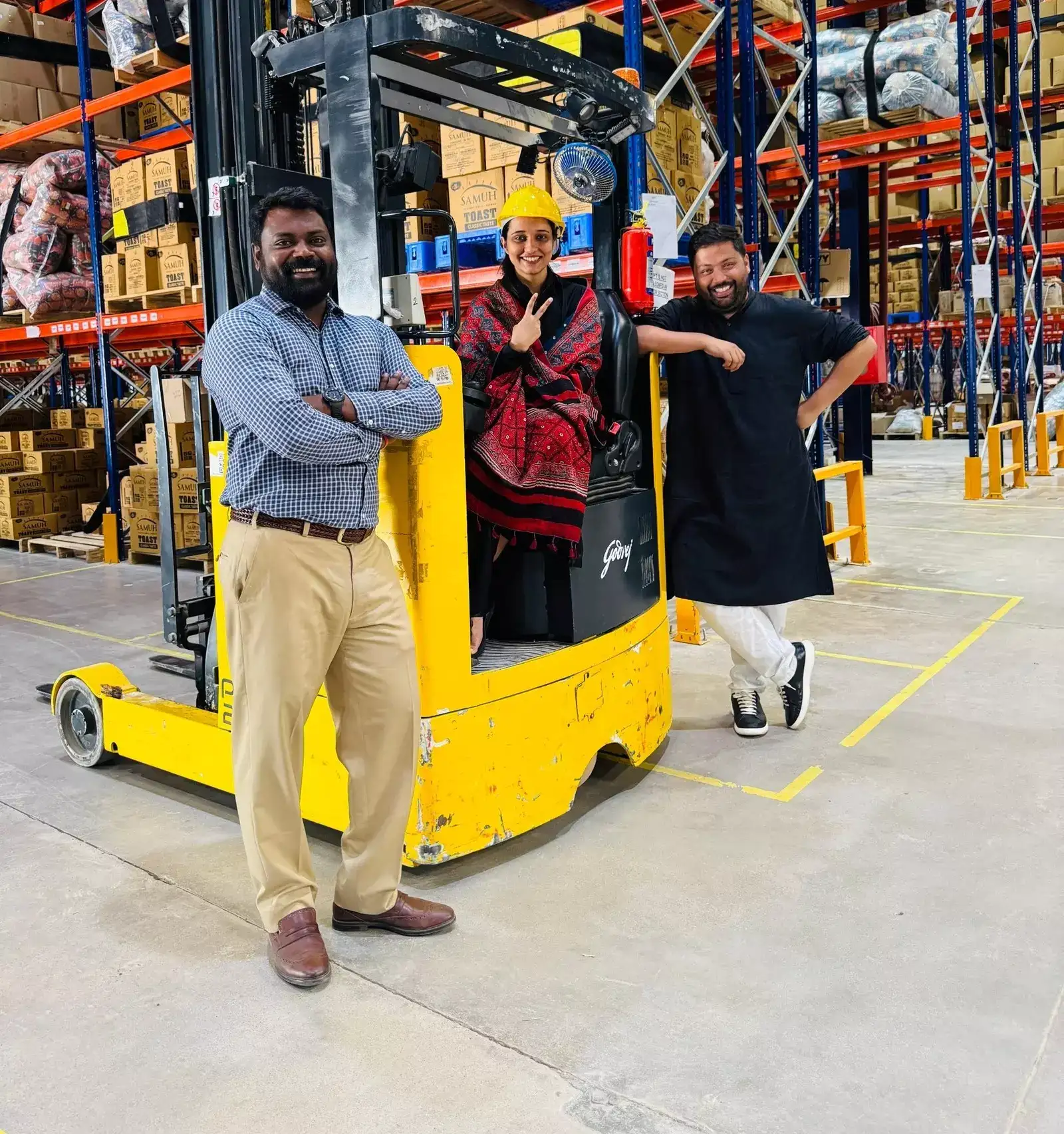
Rural commerce startup Rozana has raised $30 million in a new funding round, led by existing investors and including new participants. The company's valuation more than doubled to nearly $200 million with this round.
The fresh capital will be used to strengthen technology, expand product categories and private labels, and grow its retail store network from over 75 to more than 200 locations. Rozana also plans to expand into new states while deepening its presence in existing villages.
The company reported revenue of Rs 272 crore in fiscal 2025 and is targeting more than double that amount in FY26. The article notes a trend of investor interest in startups serving smaller towns and rural areas, though Rozana distinguishes itself by focusing on villages and gram panchayats.
Main Topics: Rozana's funding round and valuation increase; planned use of funds and business expansion; company performance and revenue targets; context of investor interest in the rural commerce sector.
Rural commerce startup Rozana, which has built an omnichannel retail network spanning 21,000 villages in Uttar Pradesh and Haryana, has raised $30 million (Rs 275 crore) in a new funding round led by existing investors Bertelsmann India Investments, and Fireside Ventures, cofounder and CEO Ankur Dahiya told ET.
The round also saw participation from new investors such as the family office of snack maker Bikajiâs promoters and US-based venture capital firm Spark Growth Ventures. It included about $5 million in debt, she said.
Rozanaâs valuation more than doubled in the round, touching nearly $200 million, from $80-85 million in 2024 when it had raised $22.5 million in funding.
Dahiya said the fresh capital will be deployed to strengthen technology infrastructure, add product categories, develop private label offerings, and deepen brand partnerships. The startup sells products across categories such as staples, snacks, and apparel apart from longer tail items such as toys, stationery, home care goods, and electronics. Dahiya said almost 40% of sales come from staples and snacks.
Rozana currently has more than 75 retail stores, which it plans to expand to over 200, while entering two to three more states across the Gangetic belt region.
âSince 2024, we havenât expanded our village or geographical presence but have simply focused on deepening our presence â both in terms of penetration inside villages with more households as well as capturing a higher wallet share of existing customers by introducing more categories,â said Dahiya.
Rozana was founded in 2021 by Dahiya, Adwait Vikram Singh, and Mukesh Christopher. It started out in UPâs Rae Bareli district and has since expanded to 16 districts across the state and Haryana. It now plans to enter states such as Madhya Pradesh, Odisha and Punjab, while also going deeper into existing states.
In fiscal 2025, the company clocked Rs 272 crore in revenue, which it is aiming to more than double to around Rs 600 crore in FY26. In February, Rozana posted revenue of Rs 70 crore â giving it an annualised revenue run rate of Rs 840 crore.
In the last 12 months, several startups focused on offering retail services in Tier 3 towns or below have raised risk capital. This includes value retailer SuperK, which raised Rs 100 crore in July last year from Flipkart cofounder Binny Bansalâs 3State Ventures and CaratLane founder Mithun Sacheti.
In May, TPG NewQuest and A91 Partners-backed value fashion retailer CityKart raised Rs 538 crore. Franchisee-led grocery startup Apna Mart, which also focuses on Tier-II and below geographies, raised $25 million in a mix of equity and debt from Nandan Nilekaniâs Fundamentum, VC firms Accel, Peak XV Partners and Sparrow Capital in March.
However, these startups operate with a presence at higher levels of Indiaâs administrative structure such as districts and towns, unlike Rozana, which is focused on gram panchayats, villages and blocks.
âOver 200 million rural households spend upwards of Rs 20,000 per month across staples, FMCG, personal care, household goods, apparel and discretionary categories,â said Dahiya. âRural consumption growth has outpaced urban growth by approximately 33% for at least six consecutive quarters, and the rural consumption basket is increasingly balanced between food and non-food categories with demand for clothing, footwear, spices and dairy outpacing urban share in several segments.â
The round also saw participation from new investors such as the family office of snack maker Bikajiâs promoters and US-based venture capital firm Spark Growth Ventures. It included about $5 million in debt, she said.
Rozanaâs valuation more than doubled in the round, touching nearly $200 million, from $80-85 million in 2024 when it had raised $22.5 million in funding.
Dahiya said the fresh capital will be deployed to strengthen technology infrastructure, add product categories, develop private label offerings, and deepen brand partnerships. The startup sells products across categories such as staples, snacks, and apparel apart from longer tail items such as toys, stationery, home care goods, and electronics. Dahiya said almost 40% of sales come from staples and snacks.
Rozana currently has more than 75 retail stores, which it plans to expand to over 200, while entering two to three more states across the Gangetic belt region.
âSince 2024, we havenât expanded our village or geographical presence but have simply focused on deepening our presence â both in terms of penetration inside villages with more households as well as capturing a higher wallet share of existing customers by introducing more categories,â said Dahiya.
Rozana was founded in 2021 by Dahiya, Adwait Vikram Singh, and Mukesh Christopher. It started out in UPâs Rae Bareli district and has since expanded to 16 districts across the state and Haryana. It now plans to enter states such as Madhya Pradesh, Odisha and Punjab, while also going deeper into existing states.
In fiscal 2025, the company clocked Rs 272 crore in revenue, which it is aiming to more than double to around Rs 600 crore in FY26. In February, Rozana posted revenue of Rs 70 crore â giving it an annualised revenue run rate of Rs 840 crore.
In the last 12 months, several startups focused on offering retail services in Tier 3 towns or below have raised risk capital. This includes value retailer SuperK, which raised Rs 100 crore in July last year from Flipkart cofounder Binny Bansalâs 3State Ventures and CaratLane founder Mithun Sacheti.
In May, TPG NewQuest and A91 Partners-backed value fashion retailer CityKart raised Rs 538 crore. Franchisee-led grocery startup Apna Mart, which also focuses on Tier-II and below geographies, raised $25 million in a mix of equity and debt from Nandan Nilekaniâs Fundamentum, VC firms Accel, Peak XV Partners and Sparrow Capital in March.
However, these startups operate with a presence at higher levels of Indiaâs administrative structure such as districts and towns, unlike Rozana, which is focused on gram panchayats, villages and blocks.
âOver 200 million rural households spend upwards of Rs 20,000 per month across staples, FMCG, personal care, household goods, apparel and discretionary categories,â said Dahiya. âRural consumption growth has outpaced urban growth by approximately 33% for at least six consecutive quarters, and the rural consumption basket is increasingly balanced between food and non-food categories with demand for clothing, footwear, spices and dairy outpacing urban share in several segments.â
 Meridiano