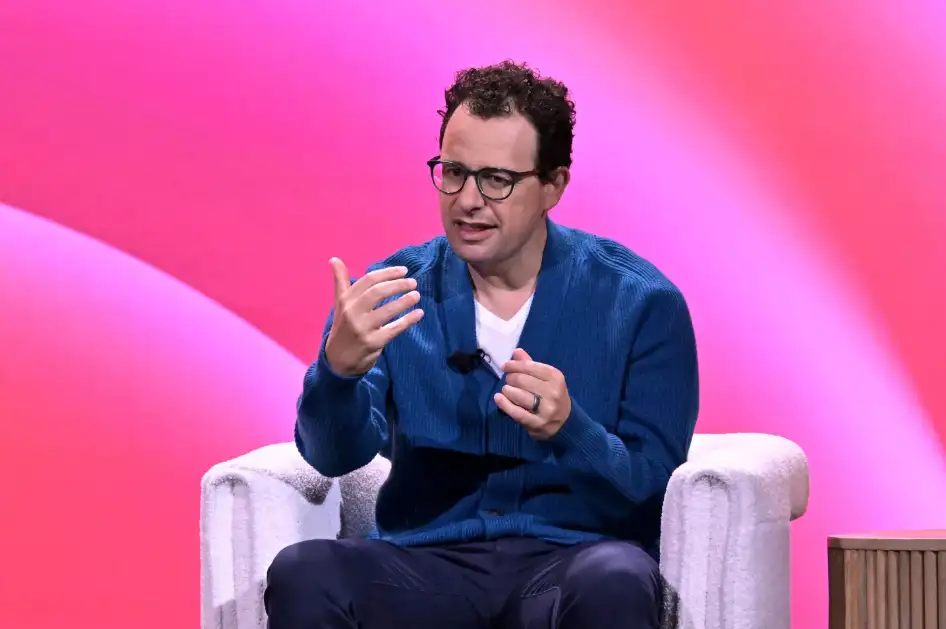
Anthropic CEO Dario Amodei apologized for an internal memo he wrote, calling the period it described one of the most "disorienting" in the company's history. The memo stated Anthropic's relationship with the U.S. government deteriorated because it refused to offer strong praise for President Trump, unlike competitors like OpenAI.
Amodei detailed a crisis where, within hours, the President moved to ban Anthropic from federal contracts and the Secretary of War designated it a supply-chain risk, while a competitor signed a deal with the Department of War. He clarified the memo was an informal internal post, not a refined statement, but apologized for its tone and sharing.
The main topics covered are Amodei's apology, the described crisis with the U.S. government, the contrasting actions of a competitor (OpenAI), and the nature of the internal memo.
Dario Amodei, chief executive of Anthropic, has apologised for the way he handled a recent crisis at the company, describing the period as one of the most âdisorientingâ moments in the company's history. He made the remarks in an interview with The Economist.
In the internal memo, Amodei had said that Anthropicâs relationship with the US government had frayed because the company was unwilling to cosy up to the administration and give âdictator-styleâ praise to US President Donald Trump. He contrasted this with the behaviour of other artificial intelligence companies (read as: OpenAI).
Speaking with the publicationâs editor-in-chief, Amodei apologised for how the message had been written and shared.
âI want to completely apologise for the memo. I want to make sure that people understand.â
âThe President tweeted, removing all Anthropic services from the federal government. The secretary of war tweeted, designating us a supply-chain risk, with a broader version of the designation than the one that ultimately ended up being applied,â he said.
Amodei then referred to a third development in relation to OpenAI, though he avoided naming the company directly.
He said that an agreement had been signed between one of the âother AI model providersâ and the Department of War. He then pointed out that the provider (OpenAI) itself had described the deal as âopportunisticâ.
After announcing the deal, OpenAI CEO Sam Altman justified it, saying that the company was just trying to âde-escalate thingsâ in order to âavoid a much worse outcome.â
Also Read: OpenAI amending deal with Pentagon: CEO Sam Altman
Amodei said the sequence of events left the company scrambling to understand what was happening.
âAll of these three things had happened within a few hours in sequence with each other. We didnât know ahead of time what was going to happen, when it was going to happen,â Amodei told The Economist. âSo it was among the most disorienting times in Anthropicâs history.â
Justification for the memo
Although he apologised, Amodei clarified that the message should not be viewed as a carefully drafted statement. He even went so far as to say that he wouldn't even call it a memo.
âI think Anthropic has an internal culture where I post a lot. Some people describe this as a memo; I wouldnât describe it as that. I post things in Slack, I post them a lot.â
âAnd the culture within the company is that Iâm very free. Itâs not really a considered or refined version of my thinking. Itâs not what I would say on reflection,â he added.
When asked whether he had apologised directly to Trump or planned to do so, Amodei said he had already apologised to people he had spoken with inside the Department of War. He also said he would be open to speaking with others in the administration if needed.
âI donât know what will happen in the future but I am really happy to speak to anyone,â he said.
In the internal memo, Amodei had said that Anthropicâs relationship with the US government had frayed because the company was unwilling to cosy up to the administration and give âdictator-styleâ praise to US President Donald Trump. He contrasted this with the behaviour of other artificial intelligence companies (read as: OpenAI).
Speaking with the publicationâs editor-in-chief, Amodei apologised for how the message had been written and shared.
âI want to completely apologise for the memo. I want to make sure that people understand.â
âThe President tweeted, removing all Anthropic services from the federal government. The secretary of war tweeted, designating us a supply-chain risk, with a broader version of the designation than the one that ultimately ended up being applied,â he said.
Amodei then referred to a third development in relation to OpenAI, though he avoided naming the company directly.
He said that an agreement had been signed between one of the âother AI model providersâ and the Department of War. He then pointed out that the provider (OpenAI) itself had described the deal as âopportunisticâ.
After announcing the deal, OpenAI CEO Sam Altman justified it, saying that the company was just trying to âde-escalate thingsâ in order to âavoid a much worse outcome.â
Also Read: OpenAI amending deal with Pentagon: CEO Sam Altman
Amodei said the sequence of events left the company scrambling to understand what was happening.
âAll of these three things had happened within a few hours in sequence with each other. We didnât know ahead of time what was going to happen, when it was going to happen,â Amodei told The Economist. âSo it was among the most disorienting times in Anthropicâs history.â
Justification for the memo
Although he apologised, Amodei clarified that the message should not be viewed as a carefully drafted statement. He even went so far as to say that he wouldn't even call it a memo.
âI think Anthropic has an internal culture where I post a lot. Some people describe this as a memo; I wouldnât describe it as that. I post things in Slack, I post them a lot.â
âAnd the culture within the company is that Iâm very free. Itâs not really a considered or refined version of my thinking. Itâs not what I would say on reflection,â he added.
When asked whether he had apologised directly to Trump or planned to do so, Amodei said he had already apologised to people he had spoken with inside the Department of War. He also said he would be open to speaking with others in the administration if needed.
âI donât know what will happen in the future but I am really happy to speak to anyone,â he said.
 Meridiano