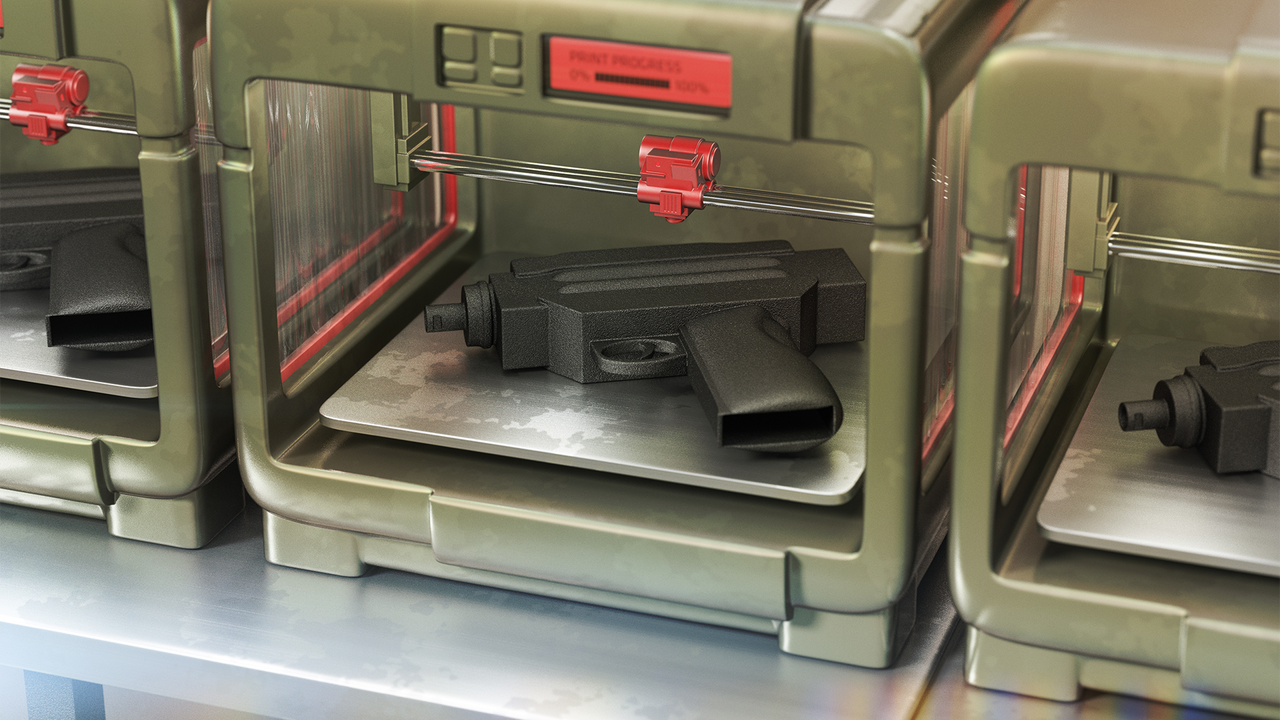
California has filed a civil lawsuit against two websites and three individuals for hosting 3D-printed gun files and instructions, alleging violations of new state civil codes regarding the unlawful distribution and manufacturing of firearms. The state seeks civil penalties of up to $25,000 per violation, arguing the activity enables dangerous individuals to create untraceable "ghost guns" without background checks.
The lawsuit is part of a broader legislative effort, with California and other states like New York and Washington considering bills to restrict 3D printer sales or implement file detection to curb the proliferation of such weapons. However, these proposed regulations face criticism from 3D printing enthusiasts who worry they are overbroad, technically challenging, and could stifle innovation.
The main topics covered are the civil lawsuit against specific websites and individuals, the cited California civil codes, the stated rationale from the Attorney General, and the wider legislative landscape and debate surrounding the regulation of 3D-printed firearms.
California sues websites hosting 3D printed gun files — online platforms allegedly violate multiple civil codes regarding unlawful distribution and manufacturing of firearms
The defendants face civil penalties of up to $25,000 per violation.
Get Tom's Hardware's best news and in-depth reviews, straight to your inbox.
You are now subscribed
Your newsletter sign-up was successful
The State of California just filed a civil suit against two websites that host 3D printing files for guns and related accessories, as well as guides and instructions on how to use them. It also named three individuals in the case: Alexander Holladay, who’s known for running the CTRL+Pew website; gun rights attorney and 3D-printed gun designer Matthew Larosiere; and 3D-printed gunmaker John Elik, more popularly known online as “IvanTheTroll.”
While this is only a civil suit, meaning no one will be imprisoned regardless of the outcome, 3D Printing Industry reports that they’re being slapped with violations of California Civil Code sections 3273.61 and 3273.625, both of which took effect this year.
The former says that anyone who distributes any digital firearm manufacturing code in California to an unlicensed manufacturer may be sued under it, while the latter further penalizes anyone who “knowingly, willfully, or recklessly cause another person to engage in the unlawful manufacture of firearms” or “knowingly, willfully, or recklessly aid, abet, promote, or facilitate the unlawful manufacture of firearms.”
California State Attorney General Rob Bonta said in a statement, “This groundbreaking lawsuit shows that our office is not bound by the old playbook.” He also added, “These defendants’ conduct enables unlicensed people who are too young or too dangerous to pass firearm background checks to illegally print deadly weapons without a background check and without a trace. This lawsuit underscores just how dangerous the ghost gun industry is and how much harm its skip-the-background-check business model has done to California’s communities.”
Aside from this civil liability case, the California State legislature is also considering a bill that would restrict 3D printer sales to state-approved models, one of the steps it’s considering to help control the proliferation of 3D-printed ghost guns. Other states are also taking steps to address this issue, including New York, which is working on a law that puts the burden of stopping weapon printing on 3D printer makers, Washington state, which is suggesting “blocking features” and a blueprint detection algorithm, and Colorado, which is focusing on the possession of 3D printed gun files.
While many understand the need to regulate the 3D printing of firearms and related accessories, 3D printing enthusiasts are worried that some of the bills state legislatures propose are overbroad and could stifle innovation and liberty in the 3D printing space. They could also be problematic, as some proposals require 3D printers to scan files and refuse to run the print if it’s shaped like a gun or a gun accessory — something that’s easier said than done and would likely result in a ton of false readings.
Follow Tom's Hardware on Google News, or add us as a preferred source, to get our latest news, analysis, & reviews in your feeds.
Get Tom's Hardware's best news and in-depth reviews, straight to your inbox.
Jowi Morales is a tech enthusiast with years of experience working in the industry. He’s been writing with several tech publications since 2021, where he’s been interested in tech hardware and consumer electronics.
 Meridiano