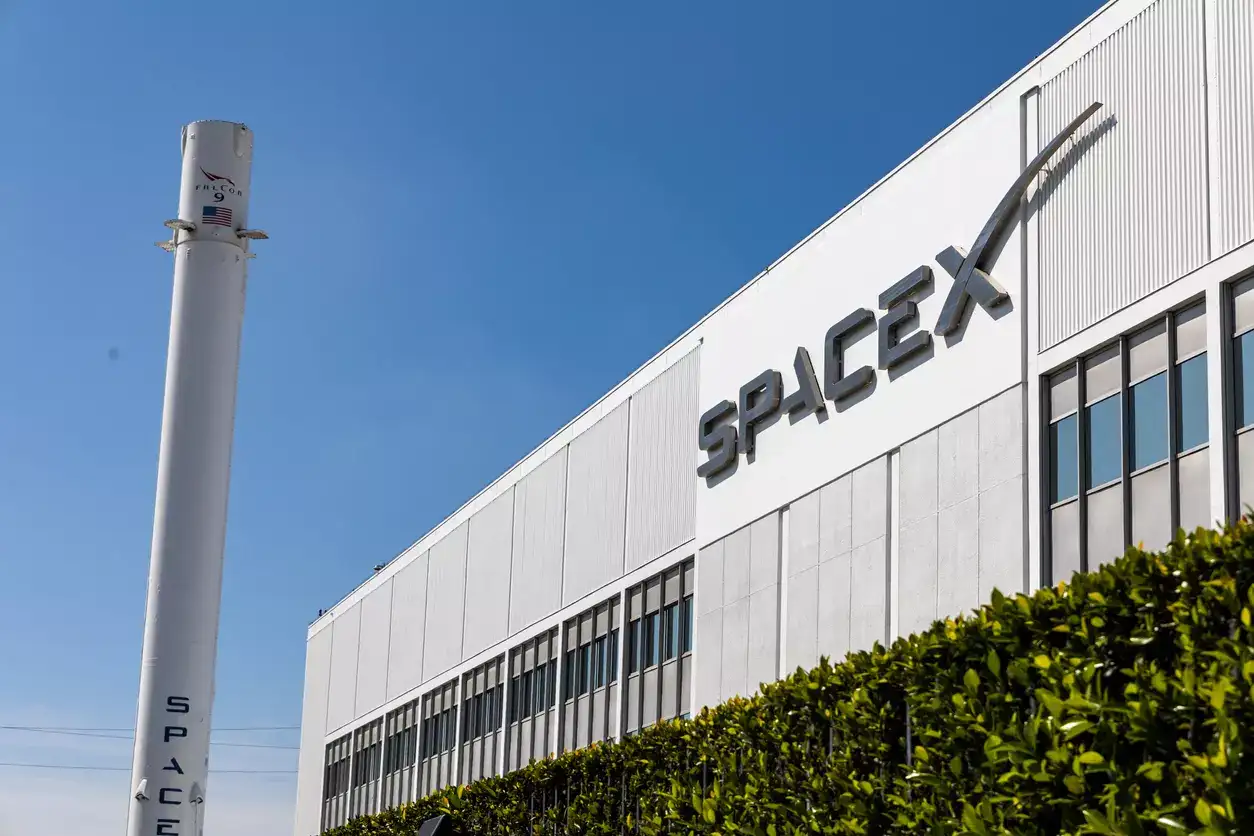
Amazon's satellite division, Amazon Leo, has formally requested the FCC dismiss SpaceX's application to deploy up to one million satellites as orbiting data centers. The filing argues the proposal is speculative, lacks required technical details like orbital configurations and collision-avoidance plans, and is too vague for proper regulatory review.
Amazon contends the scale of the proposal is unrealistic, stating deployment could take "centuries," and warns approval could force other operators to plan around a system that may never be built. It raises significant safety concerns, noting that even with a high success rate, thousands of satellites could fail to deorbit, creating space debris.
The main topics covered are the regulatory dispute between Amazon and SpaceX, the technical deficiencies cited in SpaceX's application, and the concerns regarding orbital safety and space sustainability.
Amazonâs satellite internet division, Amazon Leo (previously called Project Kuiper), has asked the US Federal Communications Commission (FCC) to dismiss SpaceXâs proposal to deploy a massive constellation of up to one million satellites as orbiting data centres.
In a 17-page filing, Amazon argues that the plan is unrealistic and lacks the technical detail required for regulatory review. The company claims the proposal could take âcenturiesâ to deploy and warns that approving it may disrupt other operators in low-Earth orbit.
The company noted that SpaceX describes the project as a âfirst step towards becoming a Kardashev II-level civilisationâ and a move towards âensuring humanityâs multiplanetary future among the starsâ. It questions why the FCC is even reviewing the application, saying the Commission has historically rejected âspeculative, conceptual, or otherwise incomplete filingsâ.
Amazon Leo warns that approving the request could force other satellite operators to plan around a system that might never be built. âAt best, the Application appears to be an exercise in publicity and messagingâand at worst, an attempt to stake a priority claim over a vast swath of orbital resources with no genuine intent to deploy,â the filing states.
Missing technical details
Amazon argues that SpaceXâs application does not include basic radio-frequency (RF) and orbital information required by FCC rules. Satellite operators must normally provide key details such as beam information, orbital planes, and how satellites will be distributed across those so-called ârepresentative planesâ.
However, Amazon says SpaceX has provided data for only three satellites, about 0.0003% of the proposed system, and has not described the full constellation.
The filing also points out that SpaceX does not specify key parameters such as the size of the satellites or the exact orbital configuration. Instead, the proposal broadly states that satellites could operate anywhere between 500 km and 2,000 km in altitude, with an additional 100 km tolerance on either end of this range.
According to Amazon, this level of detail is far too limited for regulators and other satellite operators to properly assess interference risks or orbital safety.
Lack of information
Amazon also says the proposal fails to provide sufficient information on space safety and long-term sustainability. While the application includes several pages discussing safety, Amazon claims much of it simply repeats regulatory language without detailed analysis.
For example, the filing says SpaceX has not explained how it would manage collision risks with other spacecraft, handle conjunction-avoidance manoeuvres, or ensure safe deorbiting of satellites.
At the proposed scale, Amazon argues that collision avoidance would require near-continuous manoeuvres, placing significant pressure on existing tracking and coordination systems.
The company also raises concerns about satellite disposal. It is not clear if SpaceX plans to dispose of these satellites including geostationary satellite orbit (GSO) graveyard orbits or left in medium-Earth orbit (MEO). SpaceX's application provides several options such as heliocentric disposal (sending a spacecraft out of Earthâs orbit and into an orbit around the Sun), disposal in other orbits above 2,000 km, or atmospheric re-entry, but fails to provide any explanation of how it will choose a strategy.
Even if the system achieved a 99% disposal success rate, Amazon notes that around 10,000 satellites could still fail to deorbit safely. This raises serious concerns about long-term space debris, sustainability and collisions.
âA speculative and unrealistic systemâ
Finally, Amazon argues that the proposal itself is speculative and lacks a realistic deployment plan. The application seeks approval for âup toâ one million satellites, but does not clearly state that SpaceX intends to deploy that full number.
SpaceX also requests waivers from rules that normally require companies to meet deployment milestones and provide financial guarantees. Amazon says this could allow the company to claim orbital resources without committing to actually building the system.
The company also highlights the sheer scale of the proposal. In 2025, a record year for global space launches, about 4,526 satellites were sent into orbit worldwide. At that pace, Amazon says deploying one million satellites would take more than 220 years, even if every launch globally were dedicated to SpaceXâs project.
Maintaining such a constellation would be even more demanding. With an estimated five-year satellite lifespan, the system would require about 200,000 replacement satellites every year, far beyond current global launch capacity.
Amazon concludes that the proposal is unrealistic and warns that approving it could create uncertainty and competition over orbital resources without any guarantee that the system would ever be built.
In a 17-page filing, Amazon argues that the plan is unrealistic and lacks the technical detail required for regulatory review. The company claims the proposal could take âcenturiesâ to deploy and warns that approving it may disrupt other operators in low-Earth orbit.
The company noted that SpaceX describes the project as a âfirst step towards becoming a Kardashev II-level civilisationâ and a move towards âensuring humanityâs multiplanetary future among the starsâ. It questions why the FCC is even reviewing the application, saying the Commission has historically rejected âspeculative, conceptual, or otherwise incomplete filingsâ.
Amazon Leo warns that approving the request could force other satellite operators to plan around a system that might never be built. âAt best, the Application appears to be an exercise in publicity and messagingâand at worst, an attempt to stake a priority claim over a vast swath of orbital resources with no genuine intent to deploy,â the filing states.
Missing technical details
Amazon argues that SpaceXâs application does not include basic radio-frequency (RF) and orbital information required by FCC rules. Satellite operators must normally provide key details such as beam information, orbital planes, and how satellites will be distributed across those so-called ârepresentative planesâ.
However, Amazon says SpaceX has provided data for only three satellites, about 0.0003% of the proposed system, and has not described the full constellation.
The filing also points out that SpaceX does not specify key parameters such as the size of the satellites or the exact orbital configuration. Instead, the proposal broadly states that satellites could operate anywhere between 500 km and 2,000 km in altitude, with an additional 100 km tolerance on either end of this range.
According to Amazon, this level of detail is far too limited for regulators and other satellite operators to properly assess interference risks or orbital safety.
Lack of information
Amazon also says the proposal fails to provide sufficient information on space safety and long-term sustainability. While the application includes several pages discussing safety, Amazon claims much of it simply repeats regulatory language without detailed analysis.
For example, the filing says SpaceX has not explained how it would manage collision risks with other spacecraft, handle conjunction-avoidance manoeuvres, or ensure safe deorbiting of satellites.
At the proposed scale, Amazon argues that collision avoidance would require near-continuous manoeuvres, placing significant pressure on existing tracking and coordination systems.
The company also raises concerns about satellite disposal. It is not clear if SpaceX plans to dispose of these satellites including geostationary satellite orbit (GSO) graveyard orbits or left in medium-Earth orbit (MEO). SpaceX's application provides several options such as heliocentric disposal (sending a spacecraft out of Earthâs orbit and into an orbit around the Sun), disposal in other orbits above 2,000 km, or atmospheric re-entry, but fails to provide any explanation of how it will choose a strategy.
Even if the system achieved a 99% disposal success rate, Amazon notes that around 10,000 satellites could still fail to deorbit safely. This raises serious concerns about long-term space debris, sustainability and collisions.
âA speculative and unrealistic systemâ
Finally, Amazon argues that the proposal itself is speculative and lacks a realistic deployment plan. The application seeks approval for âup toâ one million satellites, but does not clearly state that SpaceX intends to deploy that full number.
SpaceX also requests waivers from rules that normally require companies to meet deployment milestones and provide financial guarantees. Amazon says this could allow the company to claim orbital resources without committing to actually building the system.
The company also highlights the sheer scale of the proposal. In 2025, a record year for global space launches, about 4,526 satellites were sent into orbit worldwide. At that pace, Amazon says deploying one million satellites would take more than 220 years, even if every launch globally were dedicated to SpaceXâs project.
Maintaining such a constellation would be even more demanding. With an estimated five-year satellite lifespan, the system would require about 200,000 replacement satellites every year, far beyond current global launch capacity.
Amazon concludes that the proposal is unrealistic and warns that approving it could create uncertainty and competition over orbital resources without any guarantee that the system would ever be built.
 Meridiano