Summary: Guinea's authorities have dissolved 40 political parties, including major opposition groups, for allegedly failing to meet legal requirements—a charge the parties reject. In response, opposition leader Cellou Dalein Diallo, currently in exile, declared that "direct resistance" is now the only path to political change, accusing President Mamady Doumbouya's government of seeking to create a one-party state.
Main Topics Covered:
1. The dissolution of 40 political parties by Guinea's government.
2. The opposition's reaction, calling for direct resistance and condemning the move as an authoritarian crackdown.
3. The political context under President Mamady Doumbouya, a former coup leader.
Guinea opposition leader urges 'direct resistance' after 40 parties dissolved
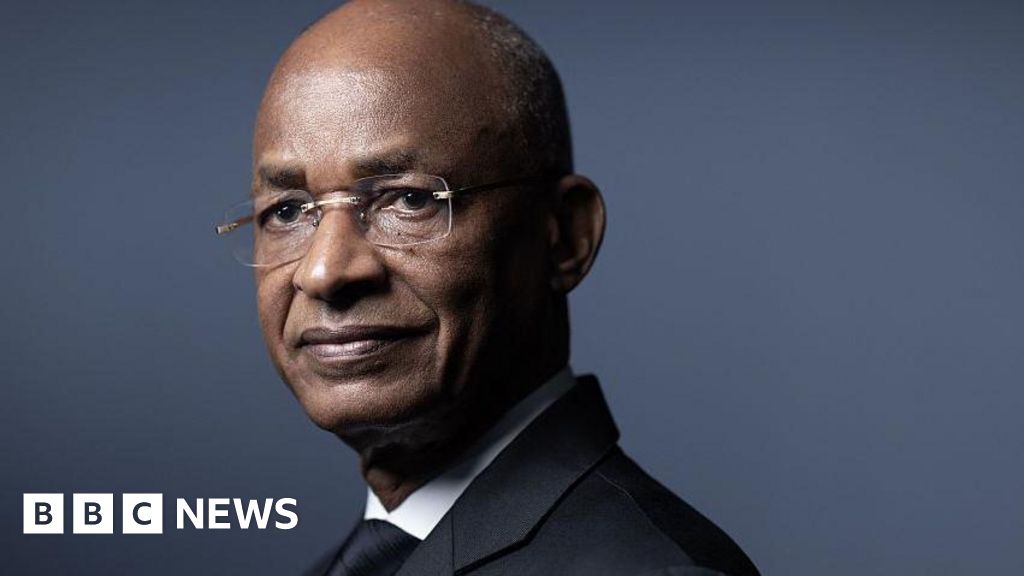
Guinea's main opposition leader Cellou Dalein Diallo has said that "direct resistance" to the country's coup leader–turned–president is now the only remaining path to change, after the authorities dissolved 40 political parties.
The authorities accused the parties of not complying with the law - a charge they have rejected.
The move comes two months after former junta head Mamady Doumbouya was sworn-in as president, following an election that saw some key challengers barred from running.
Doumbouya, who came to power in 2021 after overthrowing Condé, has been accused of cracking down on democratic freedoms.
Among the parties dissolved were the the Rally of the People of Guinea of former President Alpha Condé and Diallo's Union of Democratic Forces of Guinea. Diallo is currently in exile.
Late last Friday, Guinea's ministry of territorial administration and decentralisation announced in a decree that the headquarters and local offices of 40 political parties would be closed, and their logos, acronyms and other symbols banned from use.
The parties' assets have been confiscated and all offices sealed.
The ministry said the parties had failed to comply with legal requirements, including submitting mandatory financial statements. Several of the dissolved groups have rejected the allegations, insisting they met all obligations under the law, the Reuters news agency reported.
In a video statement released on social media on Sunday, Diallo said the decree showed that "war has been openly declared" on those challenging President Doumbouya.
He said political change would not happen through dialogue or democratic processes.
"The head of the junta and his malevolent clique want to rewrite the country's history by erasing from the political landscape all forces likely to overshadow his nascent one-party state," he added.
Jean-Marc Telliano, a former minister and president of the Rally for the Integrated Development of Guinea, also criticised the decision. Reuters quoted him as saying that his party would fight to assert its rights and "will use all legal means to have our rights restored''.
Go to BBCAfrica.com for more news from the African continent.
Follow us on Twitter @BBCAfrica, on Facebook at BBC Africa or on Instagram at bbcafrica
 Meridiano