 Meridiano
Article Details
- Title
- Article: 2026 Australian Grand Prix: Formula 1 debuts a new style of racing
- Impact Score
- 5 / 10
- AI Summary (Processed Content)
-
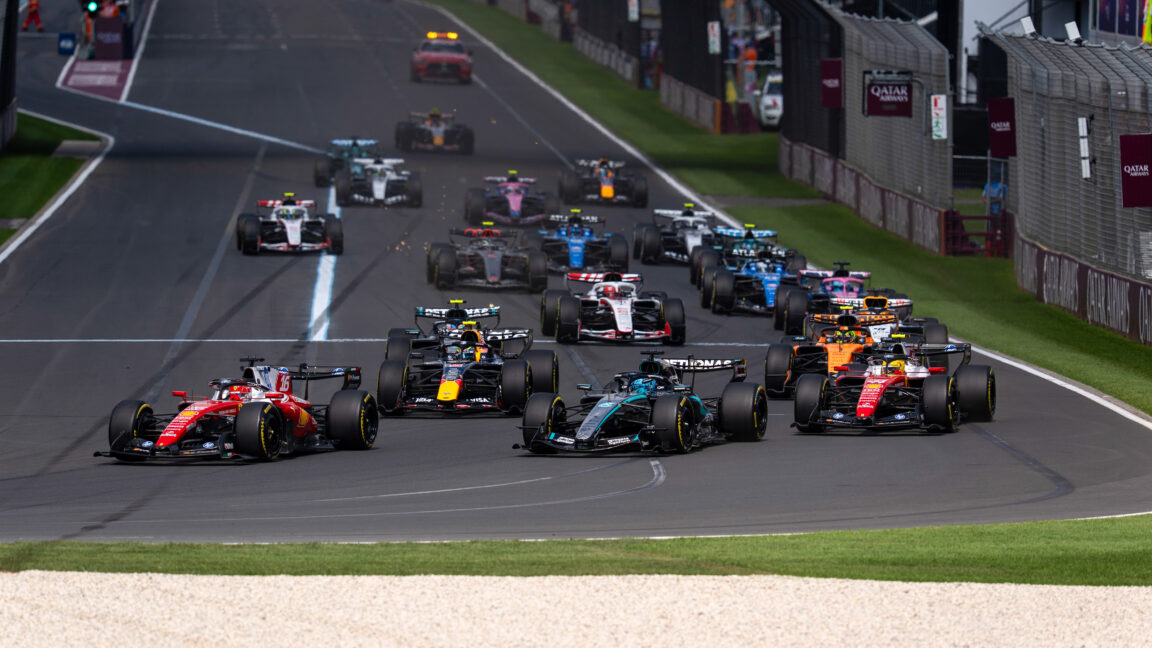
The 2026 Formula 1 season has begun with radically new technical regulations, featuring smaller, lighter cars and more powerful hybrid systems. These changes, including new engine manufacturers and a shift from ground-effect aerodynamics, aimed to disrupt the existing team hierarchy.
During preseason testing and early practice in Melbourne, the competitive order remained unclear, with Ferrari and McLaren showing early pace. However, Mercedes demonstrated strong potential when George Russell set a significantly faster practice time, suggesting the team may have a competitive advantage.
The event was marked by significant incidents, including crashes for rookie Andrea Kimi Antonelli and reigning champion Max Verstappen, the latter causing a red flag during qualifying.
The main topics covered are the new 2026 technical regulations, the early competitive performance of teams (particularly Mercedes), and notable on-track incidents during the Melbourne event.
- Original URL
- https://arstechnica.com/cars/2026/03/2026-australian-grand-prix-formula-1-debuts-a-new-style-of-racing/
- Source Feed
- Ars Technica
- Published Date
- 2026-03-09 15:50
- Fetched Date
- 2026-03-09 13:30
- Processed Date
- 2026-03-09 13:32
- Embedding Status
- Present
- Cluster ID
- Not Clustered
- Raw Extracted Content