 Meridiano
Article Details
- Title
- Article: After falling far behind the rest of industry, Blue Origin creates new stock option plan
- Impact Score
- 5 / 10
- AI Summary (Processed Content)
-
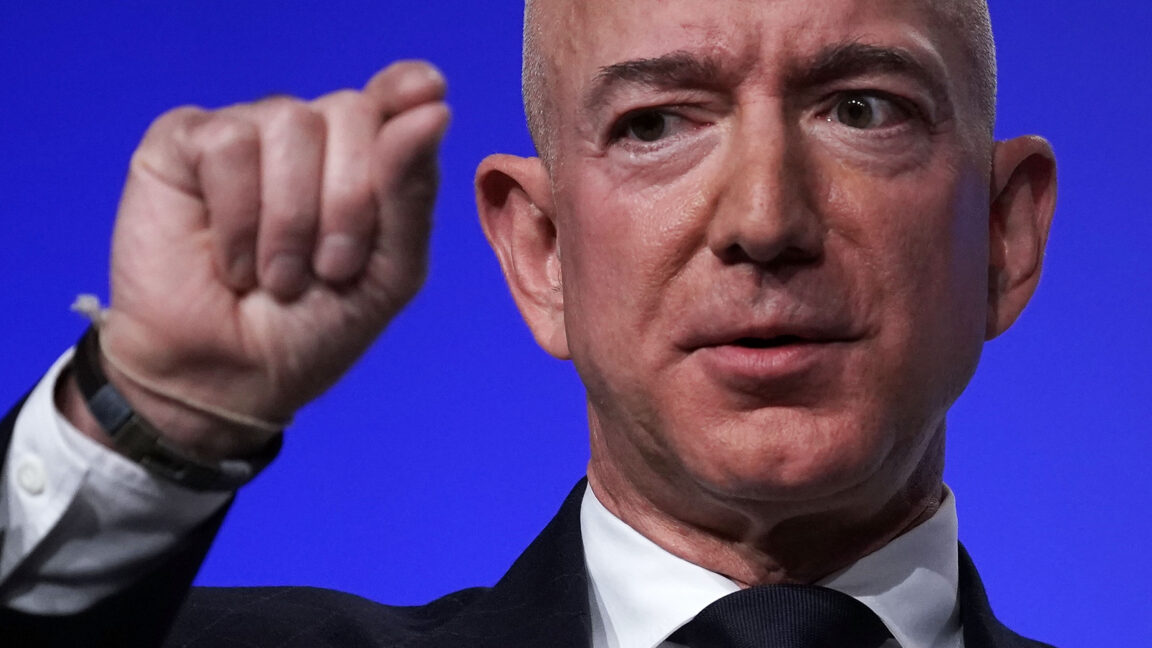
Jeff Bezos acknowledged to new Blue Origin employees that the company would not meet typical investor return expectations in the short term, but expressed a long-term vision for it to become self-sustaining and profitable over decades.
Despite recent revenue from engine sales and commercial launches, Blue Origin remains operationally unprofitable, with Bezos still investing billions annually as expenses grow alongside an expanding workforce.
The company competes for top aerospace talent with strong incentives but reportedly lags behind the industry in a key area of employee retention.
Main Topics: Blue Origin's financial outlook and profitability, Jeff Bezos's long-term investment philosophy, the company's current revenue streams and expenses, and its position in the competition for aerospace talent.
- Original URL
- https://arstechnica.com/space/2026/03/after-years-of-missteps-blue-origin-to-finally-offer-meaningful-stock-options/
- Source Feed
- Ars Technica
- Published Date
- 2026-03-09 23:00
- Fetched Date
- 2026-03-09 20:30
- Processed Date
- 2026-03-09 20:31
- Embedding Status
- Present
- Cluster ID
- Not Clustered
- Raw Extracted Content