 Meridiano
Article Details
- Title
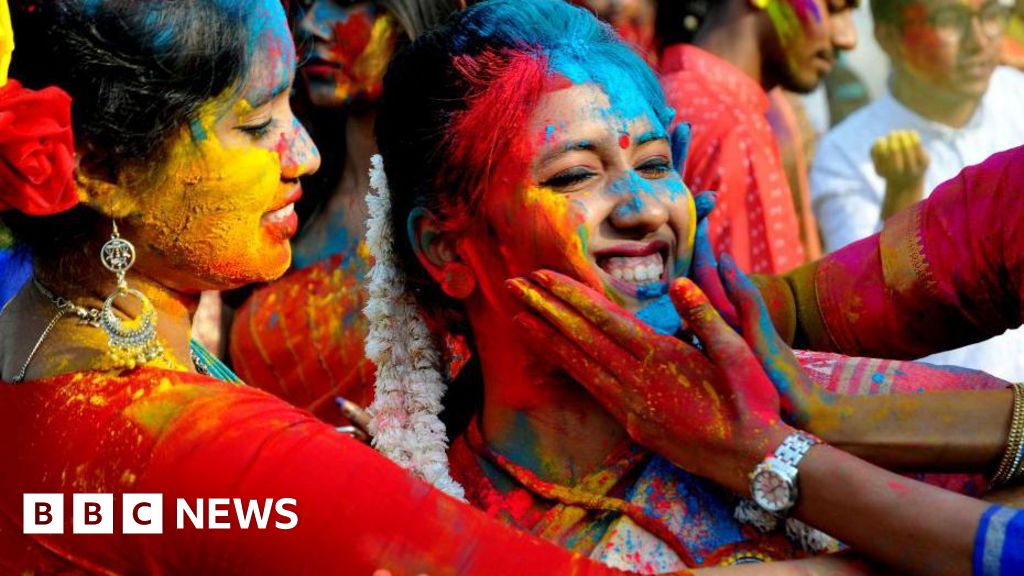
- Article: Celebrating Holi - the Hindu festival brings its array of colours to India and elsewhere
- Impact Score
- 3 / 10
- AI Summary (Processed Content)
-
Summary: Millions of people worldwide are celebrating Holi, the Hindu festival of colors, which marks the arrival of spring and the victory of good over evil. Celebrations involve throwing colored powders, enjoying traditional foods and music, and lighting bonfires based on the legend of Prahlad and Holika. The festival is also associated with the divine love of Radha and Krishna.
Main Topics Covered: * The global celebration and cultural significance of Holi. * The religious origins and legends behind the festival. * The traditional practices and customs of the celebration.
- Original URL
- https://www.bbc.com/news/articles/cq6qvvnj1jvo?at_medium=RSS&at_campaign=rss
- Source Feed
- BBC News
- Published Date
- 2026-03-04 00:59
- Fetched Date
- 2026-03-04 10:53
- Processed Date
- 2026-03-04 11:04
- Embedding Status
- Present
- Cluster ID
- Not Clustered
- Raw Extracted Content