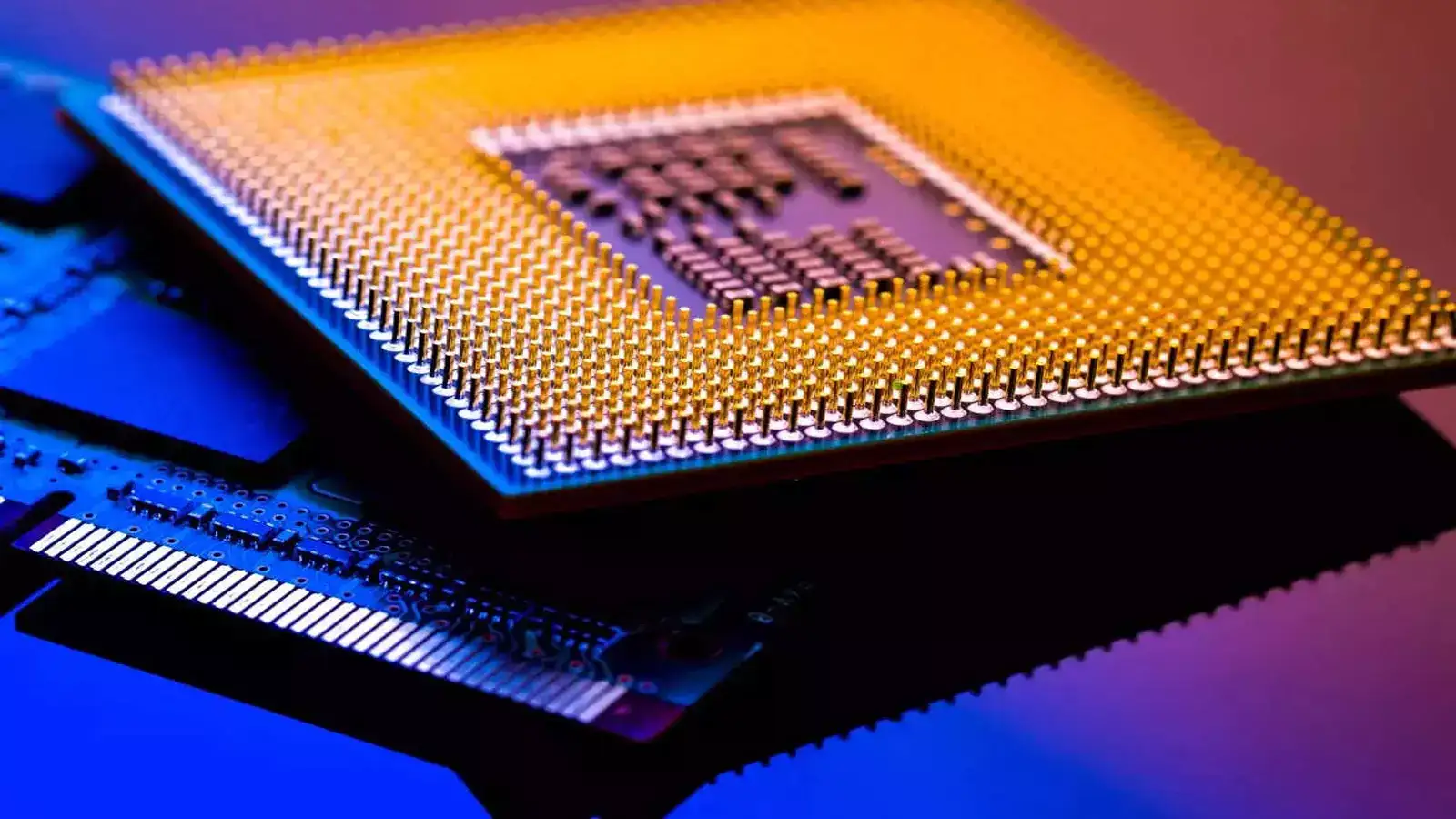
Scintil Photonics, a startup backed by Nvidia, has begun providing laser chips for customer testing. These chips are designed for "co-packaged optics," a technology that uses light instead of electricity to move data inside AI servers, which could improve how chips are interconnected.
A key challenge is that the indium phosphide laser chips required for this are in short supply for AI data centers, prompting Nvidia to invest billions in major suppliers. Scintil aims to address this by integrating the laser and other optical components into a single, more manufacturable chip.
The company is in talks with several potential customers and aims to achieve a production scale of hundreds of thousands of chips per month by 2028.
Main topics: Scintil Photonics' new laser chips, co-packaged optics technology for AI servers, supply constraints for indium phosphide lasers, Nvidia's investments and industry partnerships, and Scintil's production goals.
Scintil Photonics, a French startup backed by Nvidia, on Wednesday said it has started providing laser chips to customers for testing.
Scintil is one of a number of startups working out how to move information around inside artificial intelligence servers such as those made by Nvidia and Advanced Micro âDevices using pulses â of â light rather than electrical signals, a move that could ease the task of linking many chips together to form one large computer. Analysts expect Nvidia to reveal more about its plans for the technology, called co-packaged optics, at its developer conference in Silicon Valley next week.
All optical systems rely on a laser chip to generate the beams of light that â will carry âinformation, and those chips, made with a special material called indium phosphide and mostly used in long-distance communications networks, are â not currently made in large enough volumes to meet the demand from AI data centers. That supply dynamic drove Nvidia earlier this month to invest $2 billion each in two of the largest makers of those lasers, Lumentum and Coherent.
Scintil, which secured funding from Nvidia in a $58 million funding round last year, has come up with a way to package indium phosphide lasers with some âof the other elements needed for optical communications into a single chip, working with Israel-based Tower Semiconductor as a manufacturing partner.
Matt Crowley, âScintil's CEO, said â the company is in discussions with "six companies, seven companies" that want to use its technology by 2028 but declined to name them, citing nondisclosure agreements. âHe said Scintil's goal is to be able to produce hundreds of thousands of chips per month by then.
"The way we make it is fundamentally different," Crowley said in an interview. "We can mass produce them ... and we can satisfy a big chunk of the market."
Scintil is one of a number of startups working out how to move information around inside artificial intelligence servers such as those made by Nvidia and Advanced Micro âDevices using pulses â of â light rather than electrical signals, a move that could ease the task of linking many chips together to form one large computer. Analysts expect Nvidia to reveal more about its plans for the technology, called co-packaged optics, at its developer conference in Silicon Valley next week.
All optical systems rely on a laser chip to generate the beams of light that â will carry âinformation, and those chips, made with a special material called indium phosphide and mostly used in long-distance communications networks, are â not currently made in large enough volumes to meet the demand from AI data centers. That supply dynamic drove Nvidia earlier this month to invest $2 billion each in two of the largest makers of those lasers, Lumentum and Coherent.
Scintil, which secured funding from Nvidia in a $58 million funding round last year, has come up with a way to package indium phosphide lasers with some âof the other elements needed for optical communications into a single chip, working with Israel-based Tower Semiconductor as a manufacturing partner.
Matt Crowley, âScintil's CEO, said â the company is in discussions with "six companies, seven companies" that want to use its technology by 2028 but declined to name them, citing nondisclosure agreements. âHe said Scintil's goal is to be able to produce hundreds of thousands of chips per month by then.
"The way we make it is fundamentally different," Crowley said in an interview. "We can mass produce them ... and we can satisfy a big chunk of the market."
 Meridiano