 Meridiano
Article Details
- Title
- Article: A glimpse into tuner culture: Fast and Furious exhibit at the Petersen
- Impact Score
- 3 / 10
- AI Summary (Processed Content)
-
The Fast and Furious film franchise has dramatically evolved from a street-racing cop story into a high-stakes, globe-trotting action series. The cars featured in the films have achieved iconic status, spawning a dedicated community of collectors who own and restore the actual screen-used vehicles.
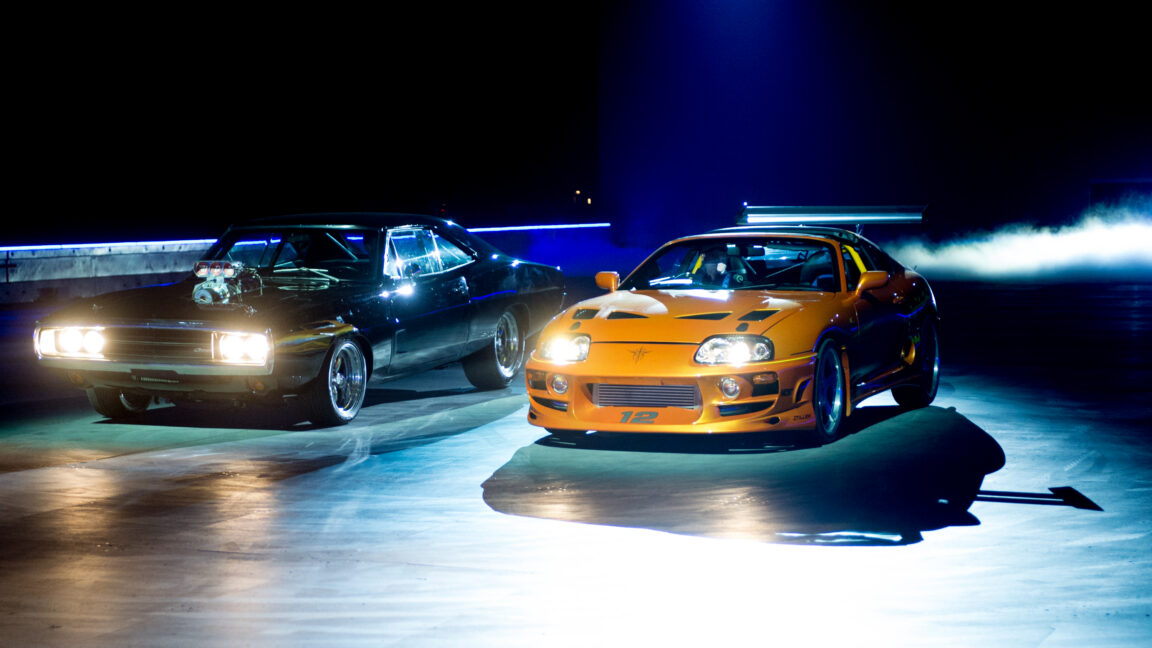
A new exhibit at the Petersen Automotive Museum celebrates the franchise's 25th anniversary by showcasing these famous cars. Curators found that, unlike typical film cars, tracing the specific histories of these vehicles requires significant effort, though they are well-documented within enthusiast circles.
The main topics covered are the evolution of the Fast and Furious franchise, the cultural significance and collection of its cars, and a museum exhibition dedicated to them.
- Original URL
- https://arstechnica.com/cars/2026/03/a-glimpse-into-tuner-culture-fast-and-furious-exhibit-at-the-petersen/
- Source Feed
- Ars Technica
- Published Date
- 2026-03-11 17:41
- Fetched Date
- 2026-03-11 15:30
- Processed Date
- 2026-03-11 15:32
- Embedding Status
- Present
- Cluster ID
- Not Clustered
- Raw Extracted Content