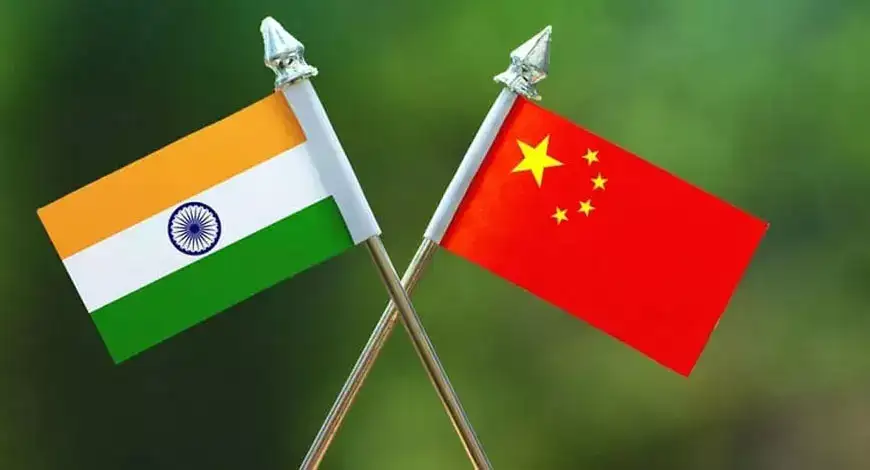
India's relaxation of FDI rules for investors from neighboring countries, including China, is not expected to immediately boost startup funding but may strengthen the venture ecosystem over time by unlocking stalled investment channels. The change softens the stringent "Press Note 3" restrictions from 2020, though sensitive industries may remain wary of Chinese-linked capital.
Dream Sports has seen over 100 executives exit as it restructures following the ban on real-money gaming, with the company repositioning itself and splitting into independent business units.
Food delivery platforms face continued disruption in several major cities due to a shortage of commercial LPG, forcing restaurants to trim menus and slow operations.
Main topics: Changes to FDI policy (Press Note 3), Dream Sports restructuring and executive exits, food delivery disruptions from LPG shortage.
Press Note 3's slow thaw; Dream Sports exits
Want this newsletter delivered to your inbox?
I agree to receive newsletters and marketing communications via e-mail
Thank you for subscribing to Morning Dispatch
We'll soon meet in your inbox.
Happy Thursday! The startup ecosystem will have to wait for benefits of the relaxed FDI norms. This and more in today's ETtech Morning Dispatch.
Also in the letter:
■ Food delivery under pressure
■ Resolve AI founder on India
■ Skyroot's space taxi bet
India's decision to relax foreign direct investment (FDI) rules for investors from neighbouring countries may not immediately boost startup funding. Still, investors told us it could strengthen the venture ecosystem over time.
Setting context: The Centre on Tuesday allowed global investors with up to 10% beneficial ownership from land-bordering countries, including China, to invest through the automatic route.
The change softens the Press Note 3 restrictions introduced during the pandemic, which required government approval for such investments.
Two-fold benefits: Investors say the move could unlock funding channels that had been stalled for years.
However, industry watchers say regulated sectors and sensitive industries are likely to remain wary of Chinese-linked capital despite the policy change.
Analyst take: Vivaik Sharma, partner at Cyril Amarchand Mangaldas, told us that the change will provide clarity for investors who had paused deals due to uncertainty around Press Note 3.
“Press Note 3 was introduced at a particular time in 2020 due to the border situation, and investments from neighbouring countries had to go through a government approval process that could take five to six months. In the venture ecosystem that is a very long time, so the easing of the rules is a positive move,” said Rajat Tandon, president, Indian Venture and Alternate Capital Association (IVCA).
Also Read: Tech transfer, job pledges to speed up FDI and help electronics sector
Harsh Jain, CEO, Dream Sports
Sportstech firm Dream Sports has seen more than 100 executives exit the company in recent months as it restructures operations following the ban on real-money gaming (RMG), people familiar with the matter told us.
Out of the game:
Company's take: A spokesperson said around 700 Dream11 employees were reassigned to newly formed business units based on their expertise and interest.
“Since some of these employees were experienced with specifically running and growing high scale businesses, and not startups, around 15% of them chose to leave and join other scaled up businesses as expected, while a few decided to start ventures of their own,” the spokesperson said.
New turn: Last December, Dream Sports repositioned itself as a "second screen sports platform" after regulatory changes wiped out 95% of its revenue and all its fantasy gaming profits.
It split into independent units, including Dream11, Dream Money (fintech), FanCode (sports streaming) and Dream Sports AI, among others.
In an interview with ET after the ban last year, Dream Sports cofounder Harsh Jain said, “We may need some cuts, but talent will be the last thing to go.”
Also Read: ETtech In-depth: Banned in India, but it's business as usual for offshore real money gaming firms
Food delivery platforms are likely to face continued disruption across Bengaluru, Delhi, Pune, and other cities as restaurants struggle to operate amid a shortage of commercial LPG for the second consecutive day.
Quick recap: The shortage follows a squeeze in liquefied petroleum gas (LPG) supply after the West Asia conflict disrupted fuel flows. Authorities have halted commercial LPG distribution in several areas to prioritise domestic household supplies.
What's going on? Restaurant owners say they are trimming menus and slowing kitchen operations to conserve fuel.
Also Read: Quick commerce sees brisk sale of induction stoves as people panic over LPG shortage
(L-R) Mayank Agarwal and Spiros Xanthos, founders, Resolve AI
With the rise of AI, startups in the space need to move fast and stay on top of every layer of the technology stack from hardware to user experience, Resolve AI founder Spiros Xanthos said.
Tell me more: Resolve AI is an agentic AI platform for software troubleshooting, founded in 2024 by former Splunk executives Xanthos and Mayank Agarwal. It helps software engineers automatically detect, investigate, and fix software problems in real time using AI.
“The demand we get from startups or scaled-up companies in India for the use of AI, and adoption of AI from the people we talk to in India, is comparable to what I see on the West Coast here. I think that is impressive,” Xanthos said, speaking from the company's San Francisco headquarters over a virtual call. The startup doesn't have a presence in the country yet.
R&D push: Xanthos said the company is stepping up investments in R&D. It is using frontier models and building its own, too.
(L-R) Naga Bharath Daka and Pawan Kumar Chandana, founders, Skyroot
Skyroot Aerospace bets on ‘space taxi’ model: Skyroot Aerospace, backed by Temasek and Singapore's sovereign wealth fund GIC, said its Vikram-1 rocket is designed as a vehicle for dedicated small-satellite launches into specialised orbits.
Cred gets PA licence: Fintech startup Cred has received the final authorisation from the Reserve Bank of India (RBI) to operate as a payment aggregator. This allows Cred to onboard merchants, collect payments on their behalf, and manage settlements and refunds.
■ Inside OpenAI's race to catch up to Claude Code (Wired)
■ Artificial intimacy: Prescribing robots to combat loneliness (FT)
■ Hustlers are cashing in on China's OpenClaw AI craze (MIT Technology Review)
Also in the letter:
■ Food delivery under pressure
■ Resolve AI founder on India
■ Skyroot's space taxi bet
Easing China FDI norms unlikely to unlock fast capital for startups
India's decision to relax foreign direct investment (FDI) rules for investors from neighbouring countries may not immediately boost startup funding. Still, investors told us it could strengthen the venture ecosystem over time.
Setting context: The Centre on Tuesday allowed global investors with up to 10% beneficial ownership from land-bordering countries, including China, to invest through the automatic route.
The change softens the Press Note 3 restrictions introduced during the pandemic, which required government approval for such investments.
Two-fold benefits: Investors say the move could unlock funding channels that had been stalled for years.
- Global venture funds with Chinese limited partners can now close deals faster without waiting months for approvals.
- Venture funds and private equity firms may also raise capital from Chinese limited partners (LPs) or fund sponsors, without navigating regulatory uncertainty.
However, industry watchers say regulated sectors and sensitive industries are likely to remain wary of Chinese-linked capital despite the policy change.
Analyst take: Vivaik Sharma, partner at Cyril Amarchand Mangaldas, told us that the change will provide clarity for investors who had paused deals due to uncertainty around Press Note 3.
“Press Note 3 was introduced at a particular time in 2020 due to the border situation, and investments from neighbouring countries had to go through a government approval process that could take five to six months. In the venture ecosystem that is a very long time, so the easing of the rules is a positive move,” said Rajat Tandon, president, Indian Venture and Alternate Capital Association (IVCA).
Also Read: Tech transfer, job pledges to speed up FDI and help electronics sector
RMG ban-hit Dream Sports rejigs ops as over 100 execs check out
Harsh Jain, CEO, Dream Sports
Sportstech firm Dream Sports has seen more than 100 executives exit the company in recent months as it restructures operations following the ban on real-money gaming (RMG), people familiar with the matter told us.
Out of the game:
- Executives across customer support, engineering and data functions have left as the company reorganises multiple units.
- Sources said the number of departures may rise further as Dream Sports continues to reshape its structure and business lines.
- The exits followed the RMG ban, which severely hit the company's core revenue streams, forcing a strategic pivot.
Company's take: A spokesperson said around 700 Dream11 employees were reassigned to newly formed business units based on their expertise and interest.
“Since some of these employees were experienced with specifically running and growing high scale businesses, and not startups, around 15% of them chose to leave and join other scaled up businesses as expected, while a few decided to start ventures of their own,” the spokesperson said.
New turn: Last December, Dream Sports repositioned itself as a "second screen sports platform" after regulatory changes wiped out 95% of its revenue and all its fantasy gaming profits.
It split into independent units, including Dream11, Dream Money (fintech), FanCode (sports streaming) and Dream Sports AI, among others.
In an interview with ET after the ban last year, Dream Sports cofounder Harsh Jain said, “We may need some cuts, but talent will be the last thing to go.”
Also Read: ETtech In-depth: Banned in India, but it's business as usual for offshore real money gaming firms
Food delivery under pressure as more restaurants run out of LPG cylinders
Food delivery platforms are likely to face continued disruption across Bengaluru, Delhi, Pune, and other cities as restaurants struggle to operate amid a shortage of commercial LPG for the second consecutive day.
Quick recap: The shortage follows a squeeze in liquefied petroleum gas (LPG) supply after the West Asia conflict disrupted fuel flows. Authorities have halted commercial LPG distribution in several areas to prioritise domestic household supplies.
What's going on? Restaurant owners say they are trimming menus and slowing kitchen operations to conserve fuel.
- Around 200-300 restaurants in Bengaluru have reduced menu options.
- FreshMenu has withdrawn discounts on food delivery platforms.
- Some restaurants are cutting SKUs on Rapido's Ownly, founder Aravind Sanka told us.
Also Read: Quick commerce sees brisk sale of induction stoves as people panic over LPG shortage
Startups must master every tech stack to keep pace with AI: Resolve AI founder
(L-R) Mayank Agarwal and Spiros Xanthos, founders, Resolve AI
With the rise of AI, startups in the space need to move fast and stay on top of every layer of the technology stack from hardware to user experience, Resolve AI founder Spiros Xanthos said.
Tell me more: Resolve AI is an agentic AI platform for software troubleshooting, founded in 2024 by former Splunk executives Xanthos and Mayank Agarwal. It helps software engineers automatically detect, investigate, and fix software problems in real time using AI.
“The demand we get from startups or scaled-up companies in India for the use of AI, and adoption of AI from the people we talk to in India, is comparable to what I see on the West Coast here. I think that is impressive,” Xanthos said, speaking from the company's San Francisco headquarters over a virtual call. The startup doesn't have a presence in the country yet.
R&D push: Xanthos said the company is stepping up investments in R&D. It is using frontier models and building its own, too.
Other Top Stories By Our Reporters
(L-R) Naga Bharath Daka and Pawan Kumar Chandana, founders, Skyroot
Skyroot Aerospace bets on ‘space taxi’ model: Skyroot Aerospace, backed by Temasek and Singapore's sovereign wealth fund GIC, said its Vikram-1 rocket is designed as a vehicle for dedicated small-satellite launches into specialised orbits.
Cred gets PA licence: Fintech startup Cred has received the final authorisation from the Reserve Bank of India (RBI) to operate as a payment aggregator. This allows Cred to onboard merchants, collect payments on their behalf, and manage settlements and refunds.
Global Picks We Are Reading
■ Inside OpenAI's race to catch up to Claude Code (Wired)
■ Artificial intimacy: Prescribing robots to combat loneliness (FT)
■ Hustlers are cashing in on China's OpenClaw AI craze (MIT Technology Review)
Want this newsletter delivered to your inbox?
I agree to receive newsletters and marketing communications via e-mail
Thank you for subscribing to Morning Dispatch
We'll soon meet in your inbox.
 Meridiano