 Meridiano
Article Details
- Title
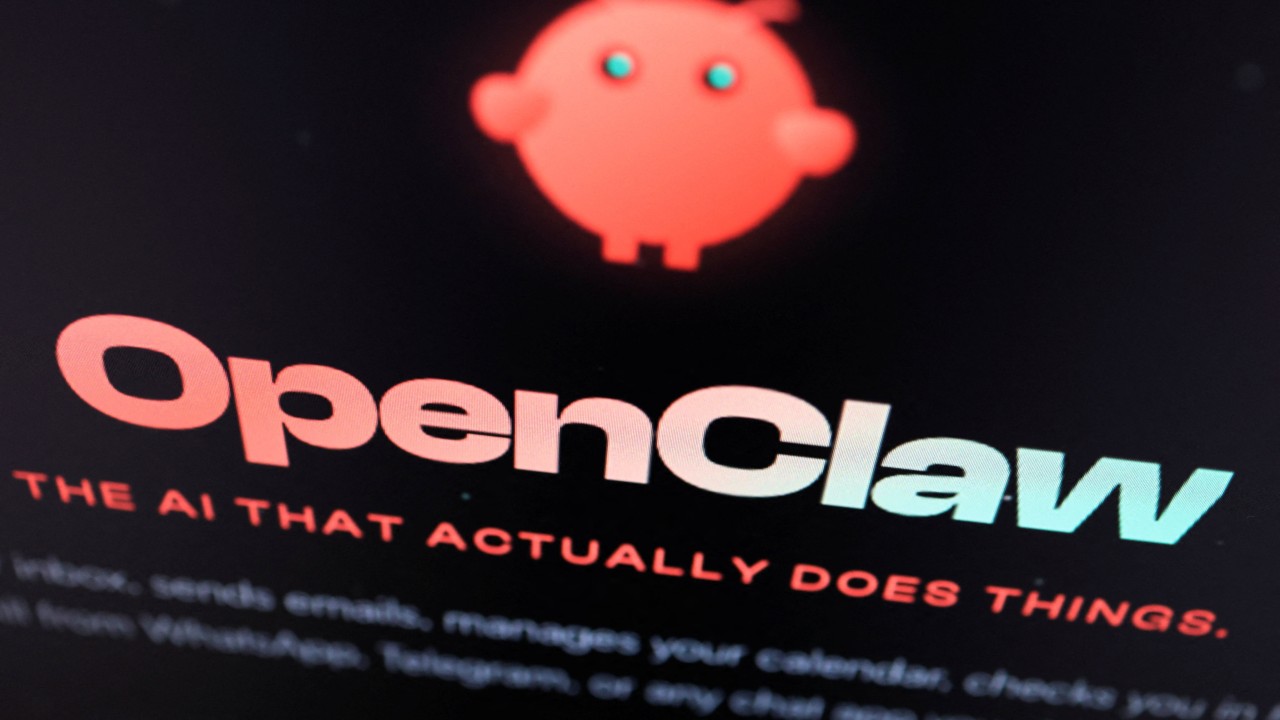
- Article: China’s OpenClaw users paid to install viral AI agent. Now they spend to remove it
- Impact Score
- 5 / 10
- AI Summary (Processed Content)
-
Users in China who previously paid to install the AI agent OpenClaw are now paying to have it removed, with uninstallation services trending on second-hand marketplaces.
A top cybersecurity expert warns that China now hosts 40 per cent of global assets linked to OpenClaw, highlighting its widespread adoption and associated concerns.
Concurrently, a government-backed institute has launched an initiative to develop new standards for such "Claw" agents, focusing on making their decision-making more transparent and behavior more reliable.
The main topics covered are the consumer trend of paying to uninstall OpenClaw, cybersecurity risks associated with its prevalence, and new regulatory efforts to standardize AI agent safety and transparency.
- Original URL
- https://www.scmp.com/tech/big-tech/article/3346397/chinas-openclaw-users-paid-install-viral-ai-agent-now-they-spend-remove-it?utm_source=rss_feed
- Source Feed
- Tech - South China Morning Post
- Published Date
- 2026-03-12 12:00
- Fetched Date
- 2026-03-12 09:30
- Processed Date
- 2026-03-12 09:32
- Embedding Status
- Present
- Cluster ID
- Not Clustered
- Raw Extracted Content