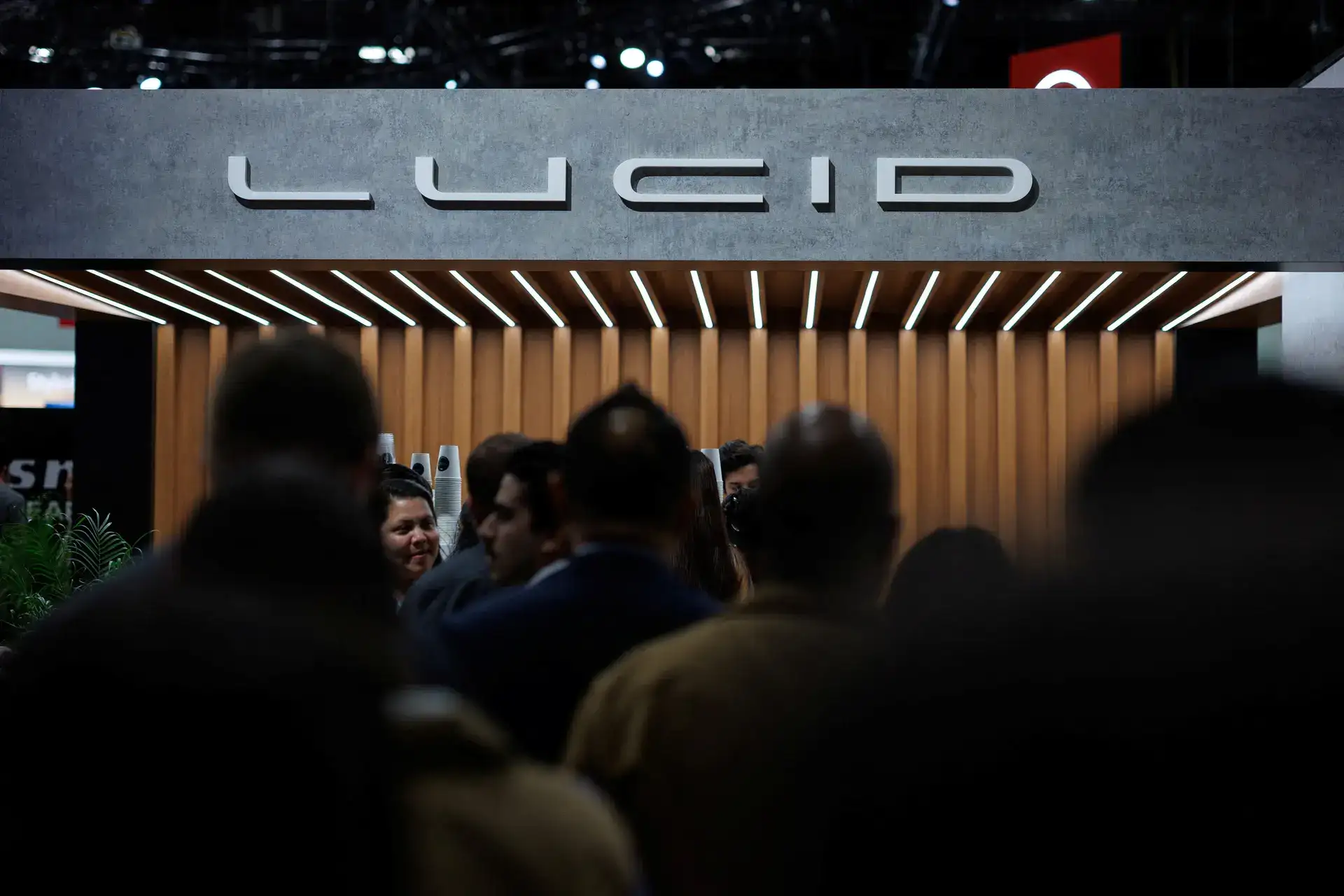
Lucid unveiled a two-seater robotaxi concept without traditional controls and launched a new subscription service for its self-driving technology, priced between $69 and $199 per month. The company is pursuing a dual strategy of partnering with firms like Uber for robotaxis while also selling EVs with autonomous capabilities.
This move positions Lucid in direct competition with Tesla's upcoming Cybercab, as automakers race to develop driverless vehicles. The article notes a broader industry shift toward subscription-based models for autonomous software, as seen with recent moves by Tesla and Rivian.
The main topics covered are Lucid's new robotaxi concept and self-driving subscription plans, the competitive landscape with Tesla and others, and the industry's strategic pivot toward software and recurring revenue streams.
Lucid unveiled a two-seater robotaxi concept without steering wheel and pedals, and launched new self-driving tech subscriptions, as the electric-vehicle maker laid out its roadmap for the technologies at an investor day event on âThursday.
The unveilingdeepens â Lucid's push â into fully autonomous vehicles, potentially putting it in direct competition with Tesla's Cybercab as automakers race to build a driverless future.
The Elon Musk-led company last month said its first Cybercab had officially rolled off the production line at its Gigafactory in Texas. Tesla expects to begin mass production of Cybercab in April.
Lucid said its two-seater robotaxi will have 40% lower operating cost and would have â an efficiency âfigure of around 5.5 miles per kilowatt hour. The company did not provide more details on timeline or pricing.
The company is taking â a dual-pronged approach, partnering with other firms for robotaxis, while selling EVs with similar self-driving capabilities.
The company has alsopartnered with Uber and Nuro to commercialize a robotaxi based on its Gravity SUVs this year. Lucid, known for its luxury Air sedans, is also racing to launch a more affordable mid-size EV platform to broaden its customer base.
Monthly subscription starts at $69
Lucid's monthly subscription for its self-driving technology would be priced between $69 âand $199 depending on the level of autonomous driving capability a customer chooses, the EV maker said.
Bigger rivals Rivian and Tesla have also shifted to subscription-based systems in recent â months, reflecting automakers' increasing focus ondiversifying their businesses to software and recurring revenue streams.
Last month, Tesla shifted to a subscription plan for Full Self-Driving at $99, with its vehicle owners no longer being able to purchase the feature as a one-time, permanent option. Musk has since said the $99 monthly price will rise "as FSD's capabilities improve."
Rivian launched its in-house driver assistance system, Autonomy+, at $49.99 per month or $2,500 as a one-time purchase, undercutting Tesla's pricing.
The unveilingdeepens â Lucid's push â into fully autonomous vehicles, potentially putting it in direct competition with Tesla's Cybercab as automakers race to build a driverless future.
The Elon Musk-led company last month said its first Cybercab had officially rolled off the production line at its Gigafactory in Texas. Tesla expects to begin mass production of Cybercab in April.
Lucid said its two-seater robotaxi will have 40% lower operating cost and would have â an efficiency âfigure of around 5.5 miles per kilowatt hour. The company did not provide more details on timeline or pricing.
The company is taking â a dual-pronged approach, partnering with other firms for robotaxis, while selling EVs with similar self-driving capabilities.
The company has alsopartnered with Uber and Nuro to commercialize a robotaxi based on its Gravity SUVs this year. Lucid, known for its luxury Air sedans, is also racing to launch a more affordable mid-size EV platform to broaden its customer base.
Monthly subscription starts at $69
Lucid's monthly subscription for its self-driving technology would be priced between $69 âand $199 depending on the level of autonomous driving capability a customer chooses, the EV maker said.
Bigger rivals Rivian and Tesla have also shifted to subscription-based systems in recent â months, reflecting automakers' increasing focus ondiversifying their businesses to software and recurring revenue streams.
Last month, Tesla shifted to a subscription plan for Full Self-Driving at $99, with its vehicle owners no longer being able to purchase the feature as a one-time, permanent option. Musk has since said the $99 monthly price will rise "as FSD's capabilities improve."
Rivian launched its in-house driver assistance system, Autonomy+, at $49.99 per month or $2,500 as a one-time purchase, undercutting Tesla's pricing.
 Meridiano