 Meridiano
Article Details
- Title
- Article: Cambricon, China’s ‘little Nvidia’, to pay maiden dividend after profitable 2025
- Impact Score
- 5 / 10
- AI Summary (Processed Content)
-
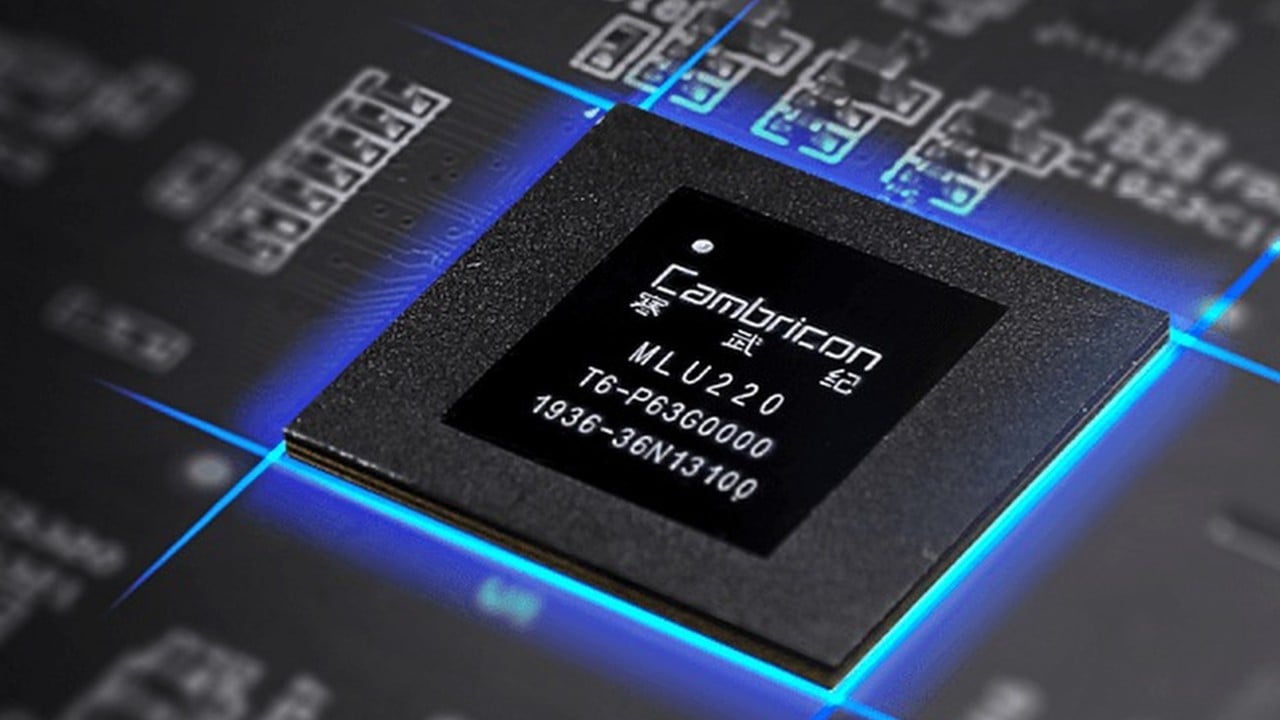
Cambricon Technologies, a Chinese AI chip designer, will pay its first-ever dividend following its first full-year net profit since its 2020 listing. The dividend and share buy-back plan totals 652 million yuan, representing nearly one-third of its 2025 net profit of 2 billion yuan.
The company's profitability is attributed to strong demand for its AI chips, including its "Siyuan" series for data centers and edge computing. Its chips have achieved significant sales and are compatible with major Chinese AI models like DeepSeek, Alibaba's Qwen, and Tencent's Hunyuan.
Main topics: Cambricon's financial results (profit, dividend), its AI chip products and sales, and its compatibility with Chinese AI models.
- Original URL
- https://www.scmp.com/tech/article/3346447/cambricon-chinas-little-nvidia-pay-maiden-dividend-after-profitable-2025?utm_source=rss_feed
- Source Feed
- Tech - South China Morning Post
- Published Date
- 2026-03-13 04:34
- Fetched Date
- 2026-03-13 02:30
- Processed Date
- 2026-03-13 02:31
- Embedding Status
- Present
- Cluster ID
- Not Clustered
- Raw Extracted Content