 Meridiano
Article Details
- Title
- Article: In a first for China, Neuracle’s implantable brain-computer interface wins approval
- Impact Score
- 6 / 10
- AI Summary (Processed Content)
-
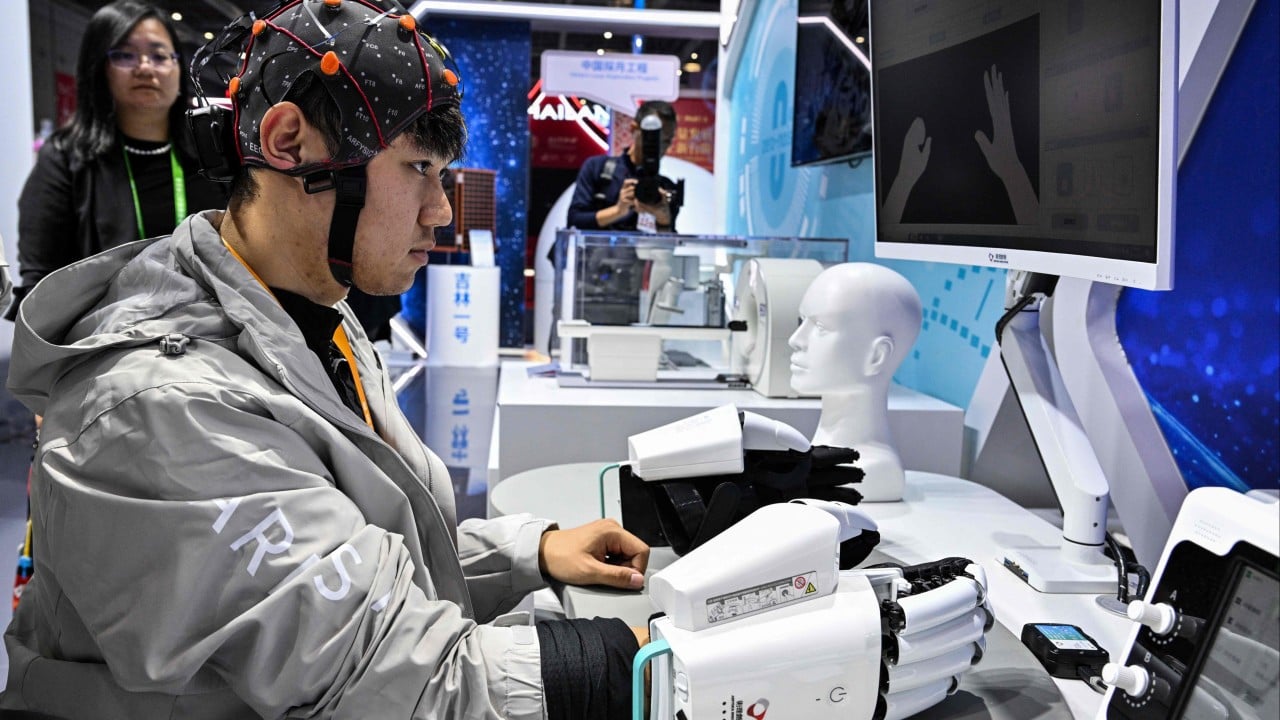
Neuracle, a Chinese BCI startup, has received regulatory approval for its implantable brain-computer interface, described as the first globally approved commercial invasive BCI product for patients. The coin-sized device sits on the brain's surface without penetrating tissue and is designed to interpret neural signals to control hand movements.
This milestone has boosted investor sentiment, lifting shares of related companies and highlighting the growing momentum of China's BCI sector. Neuracle, which is also pursuing an IPO on Shanghai's Star Market, represents China's emerging challenge to global leaders like Neuralink.
The main topics covered are Neuracle's regulatory approval, the technical description of the BCI device, the market reaction in China, and the competitive landscape of the BCI industry.
- Original URL
- https://www.scmp.com/business/banking-finance/article/3346495/first-china-neuracles-implantable-brain-computer-interface-wins-approval?utm_source=rss_feed
- Source Feed
- Tech - South China Morning Post
- Published Date
- 2026-03-13 09:30
- Fetched Date
- 2026-03-13 07:30
- Processed Date
- 2026-03-13 07:32
- Embedding Status
- Present
- Cluster ID
- Not Clustered
- Raw Extracted Content