Taiwan's electricity demand is projected to rise sharply, increasing by over 5GW by 2030, driven primarily by the expansion of semiconductor manufacturing and AI data centers. This growth is straining the island's power grid, with new fabrication plants alone expected to require 5.3-5.4GW.
Taipower, the state utility, is implementing measures to meet this demand, including bringing new gas-fired power units online and strengthening grid infrastructure. However, it warns that power consumption is also rising outside planned industrial zones, potentially creating future bottlenecks.
Despite the challenges, Taiwan's power utility appears positioned to support the industry's growth, contrasting with grid capacity issues faced in other regions like the United States.
The main topics covered are Taiwan's rising electricity demand, the strain from tech industry growth, and the measures and warnings from the power utility.
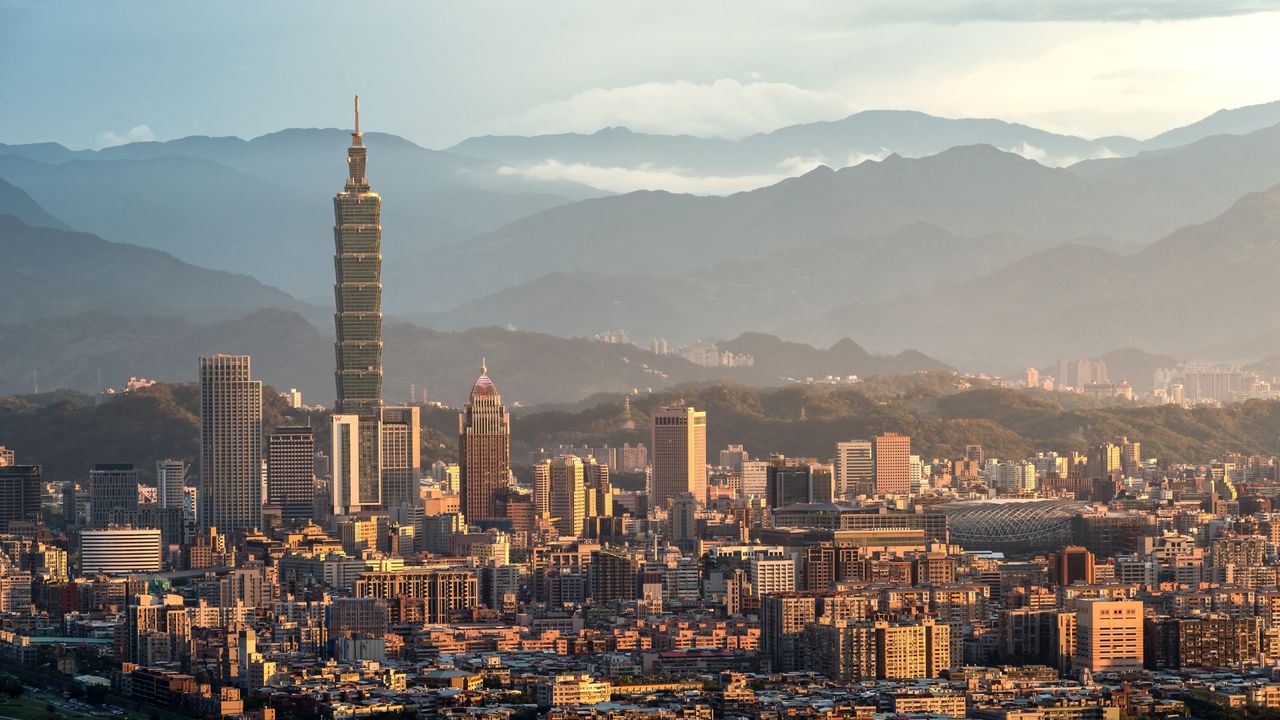
Taiwan expects power demand to increase by more than 5GW by 2030, enough to power nearly 4 million homes — rise in electricity consumption driven by semiconductor manufacturing and AI data center deployments
Taipower is concerned about the island's electricity consumption.
Get Tom's Hardware's best news and in-depth reviews, straight to your inbox.
You are now subscribed
Your newsletter sign-up was successful
Taiwan is facing a new challenge in its goal to retain its advantage in AI and advanced semiconductor manufacturing — crucial for maintaining its silicon shield — as it grapples with a tightening power supply. Electricity demand is rising sharply as Taiwanese tech companies build semiconductor manufacturing facilities alongside AI data centers. According to Digitimes, both the AI and semiconductor industries could add about 5 gigawatts of demand — enough to power upwards of 3.75 million homes — by 2030, roughly a gigawatt of additional load per year through the end of the decade.
This expansion, fueled by increasing global demand for the most advanced AI chips, is putting even more pressure on the island’s grid. Taipower chairperson Wen-sheng Tseng notes that each wafer fab needs around 200MW to operate, suggesting that the multiple facilities planned for and being built around the island will demand 5.3 to 5.4 gigawatts of electricity. This does not count the other plants and factories needed to support the operation of these factories, so it’s likely that the power demand will even be higher than projected. Nevertheless, four new electricity-generating gas units are set to come online this year, with an additional 5.2GW expected to enter trials soon. The company is also working to beef up Taiwan’s grid and enhance resilience plans, ensuring that the island’s power supply can keep up with the demand, particularly from science parks and industrial zones.
Despite that, Taipower is still warning that demand is also increasing outside of these areas. Some fabs and servers are setting up facilities beyond these designated sectors, sometimes even requesting up to 20% of the power consumption of a science park for just a single structure. Because of this, Tseng says that both fabs and tech companies should be careful when selecting sites for their future infrastructure, ensuring that they’ll only be built in places where there is ample power supply to avoid bottlenecks in the future.
Even though Taiwan’s power utility company is warning about power consumption, it seems to be on track to cover the future growth of the AI and semiconductor industry, provided that the current projections hold. This is a far cry from what the U.S. is experiencing, with the White House resorting to forcing big tech companies to promise that they will pay for the grid and power source upgrades needed to supply the massive amounts of electricity that AI data centers need.
Follow Tom's Hardware on Google News, or add us as a preferred source, to get our latest news, analysis, & reviews in your feeds.
Get Tom's Hardware's best news and in-depth reviews, straight to your inbox.
Jowi Morales is a tech enthusiast with years of experience working in the industry. He’s been writing with several tech publications since 2021, where he’s been interested in tech hardware and consumer electronics.
 Meridiano