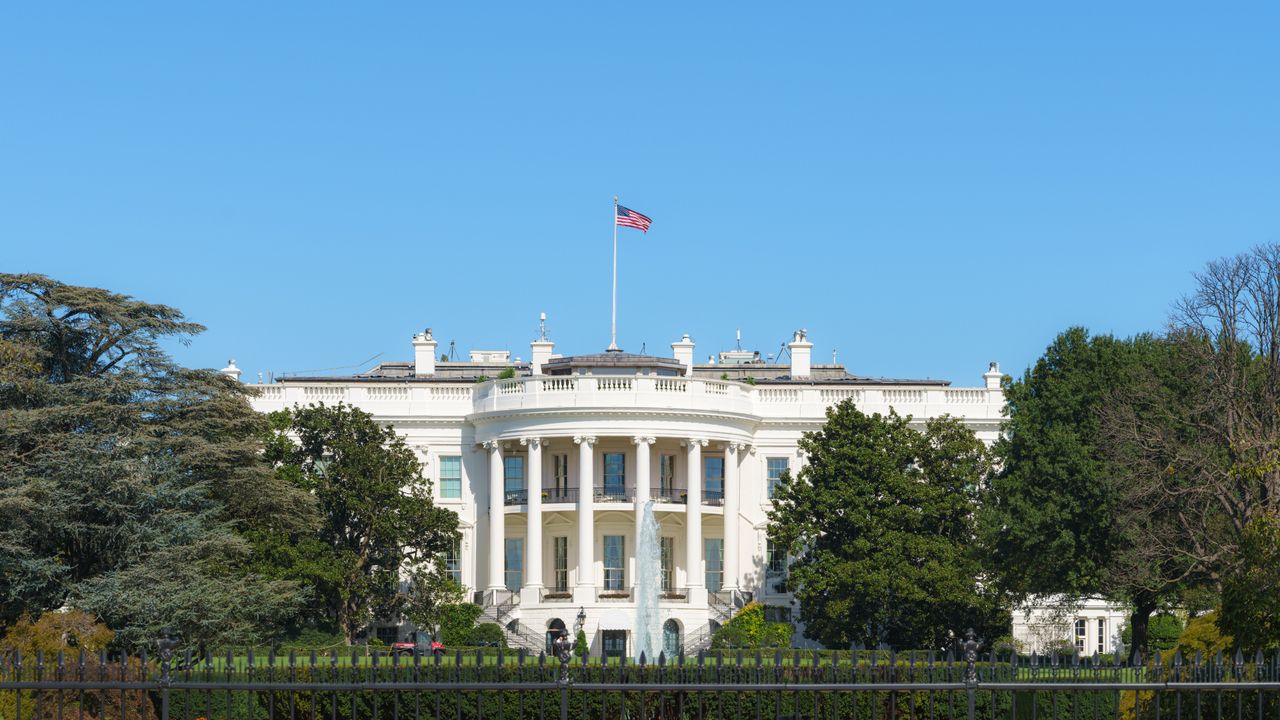
Major AI companies like Amazon, Meta, Microsoft, and OpenAI are being summoned to the White House to sign a "ratepayer protection pledge." This initiative aims to have these firms commit to covering their own massive electricity consumption costs, which are blamed for sharply increasing power prices for average consumers.
The push comes as data center energy demands have significantly disrupted electricity markets, with some states reporting major price hikes. While companies like Microsoft and OpenAI have made initial promises to fund grid upgrades or cover costs, the administration seeks to formalize these commitments.
However, experts express skepticism, noting the pledges lack legal authority and are seen by some as a political gesture. True effectiveness will only be measured if separate payment agreements are actually negotiated with utility providers and state governments.
Main Topics: White House initiative on tech company power use; AI data center energy consumption and its impact on electricity prices; voluntary corporate pledges versus regulatory action; expert skepticism about the plan's enforceability.
Trump summons tech giants to White House to pledge power payment commitments — ‘ratepayer protection plan’ will make data center operators negotiate discrete payment structure for electricity use
The White House wants tech giants to promise that they'll "pay their own way."
Get Tom's Hardware's best news and in-depth reviews, straight to your inbox.
You are now subscribed
Your newsletter sign-up was successful
The biggest AI tech companies, including Amazon, Meta, Microsoft, and Google, are expected to join President Donald Trump at the White House today to sign the new “ratepayer protection pledge” in a bid to keep electricity prices under control. Trump said during the State of the Union address, “We’re telling the major tech companies that they have the obligation to provide for their own power need.” According to Bloomberg, Meta, Amazon, and OpenAI have confirmed attendance at the White House event on Wednesday, while Google declined to comment.
The massive power demands of the AI data centers have upended the electricity market, causing electricity costs for the average American to increase sharply. Some states have reported an increase of up to 36%, with wholesale power prices increasing by 267% in just five years. This is putting undue stress on the ordinary consumer, so much so that both sides of the aisle are demanding action from tech giants.
Microsoft was the first to respond to Trump’s call for AI data centers to “pay their own way” when it comes to their electricity consumption, promising to be a “good neighbor” in the communities where it is present. OpenAI soon followed suit, saying that it will fund grid upgrades and apply flexible loads to reduce stress on the grid, while Anthropic said that it will pay 100% of its grid infrastructure costs and even produce new power sources. Now, it seems that the administration wants to formalize these promises.
Energy Secretary Chris Wright reportedly said in a statement that the pledge "will deliver more affordable, reliable, and secure energy for the American people and help stop the rising electricity prices that started during the previous administration," while ensuring the U.S. wins the AI race.
However, experts are skeptical whether these promises and pledges will hold water in the long run. “The ratepayer protection plan is a show designed to sweep this issue under the rug and show the White House has solved the problem,” Director Ari Peskoe of the Harvard Law School Electricity Law Initiative told the publication. “The White House has no real authority here aside from the bully pulpit.” It’s not until we see big tech companies sign separate rate structures with electricity providers, grid operators, and state governments that we will know whether these pledges are effective.
Follow Tom's Hardware on Google News, or add us as a preferred source, to get our latest news, analysis, & reviews in your feeds.
Get Tom's Hardware's best news and in-depth reviews, straight to your inbox.
Jowi Morales is a tech enthusiast with years of experience working in the industry. He’s been writing with several tech publications since 2021, where he’s been interested in tech hardware and consumer electronics.
-
toffty Wow, this is actually something I completely support Trump on!Reply
Datacenters should not be subsidized as they don't bring huge numbers of jobs after construction is done. Just a few on-site support staff. -
bit_user Reply
But, like the article said, these "agreements" have no force of law behind them.toffty said:Wow, this is actually something I completely support Trump on!
He should be getting Congress to pass a law. Otherwise, it doesn't matter what these companies "pledge", they can just weasel their way out of it. -
hotaru251 Reply
they'll still find ways out of it.big corpo always finds ways to not pay their share.bit_user said:But, like the article said, these "agreements" have no force of law behind them.
He should be getting Congress to pass a law. Otherwise, it doesn't matter what these companies "pledge", they can just weasel their way out of it. -
Roland Of Gilead Reply
I'd agree with @bit_user here. Words like 'pledge', 'obligation' or that they'll 'promise to pay their own way' are very broad and vague terms. They will likely result in nothing being done in the short-term, or even medium term to the end of the current administration in the US. Consumers are feeling this in their pockets now! It's the same for a lot of other countries not quite as wealthy as the US. For that cohort, they are feeling it really badly.toffty said:Wow, this is actually something I completely support Trump on!
Datacenters should not be subsidized as they don't bring huge numbers of jobs after construction is done. Just a few on-site support staff.
In my country (Ireland) we have had a nearly 100% increase in electricity costs, based on the average consumer (3 bed house, with approx 4200kwh/year). Currently the prices have dropped back slightly, but is still at a 70% increase since 2020. This really hurts. I can vouch for that myself.
I would say that nearly all governments in countries where datacentres are a plenty have all reacted very late to the game on this. Same here. We're only just getting it sorted. However, with that said, there will be no short term gain for the average consumer, probably not for at least a few years. Thank you datacenter owners. Nice one! -
Roland Of Gilead Reply
Yes, and this is very worrying.hotaru251 said:they'll still find ways out of it.big corpo always finds ways to not pay their share. -
bit_user Reply
If it's an actual law, then you can put fines and other penalties behind it. They do need to have teeth and they do need to be enforced. Those are usually the problems with a lot of laws meant to restrict the private sector.hotaru251 said:they'll still find ways out of it.big corpo always finds ways to not pay their share.
I fundamentally don't accept the idea that laws are pointless. They definitely work better than something with no force of law. If there's no force of law, then the administration cannot legally do anything to companies which break their pledge! Anything it tries to do will get challenged and stuck down in court!
If there's a law, then the government can sue the violators. The government wins cases against corporations all the time, and don't think their boards & investors don't notice. -
hotaru251 Reply
and again big corpo will find ways around it same way they find ways around paying their proper taxes.bit_user said:If it's an actual law, then you can put fines and other penalties behind it.
penalties? are just fines...and they have caps (why big corpo risks it as they make more than the fine will ever be so its just cost of doing business) -
bigdragon Don't forget that kWh isn't the only part of utility bills that has increased. Each kWh also has an associated transmission charge tied to it and potentially other charges too (administrative fees, energy efficiency program taxes, etc.).Reply
This executive action is nice, but it doesn't change what I'm seeing each month. My utility costs jumped 37% last year in Maryland. This year, there appears to have been an additional 4% increase year-over-year. Utility fees keep climbing and that's a problem. I"m seeing a lot of neighbors in Virginia complain about their bills jumping by double-digits just like mine did last year.
Likewise, pledges from companies are nice, but they haven't lowered my utility bills. I want to see action. I want to see the numbers on my bill go down. Until my bills decrease, I'm blaming all the politicians who fail to reign in the data centers at every level and the companies that own them. I don't want to be told that companies want to be good neighbors -- show me the money. -
Roland Of Gilead Reply
And in the world of the Trump administration, and deregulation, there will be some pain to get through before even legislation can help the average US consumer.bit_user said:They do need to have teeth and they do need to be enforced. -
bit_user Reply
Like I said, the government wins cases against corporations all the time. If there's a law, then there's some possibility of enforcement.hotaru251 said:and again big corpo will find ways around it same way they find ways around paying their proper taxes.
By contrast, a "pledge" cannot be enforced. The administration cannot legally do anything to punish violators of a "pledge", because they didn't break any actual law.
I already acknowledged they need to have sufficiently large penalties. The EU knows how to do this. Their laws often have massive penalties for violations.hotaru251 said:penalties? are just fines...and they have caps (why big corpo risks it as they make more than the fine will ever be so its just cost of doing business)
 Meridiano