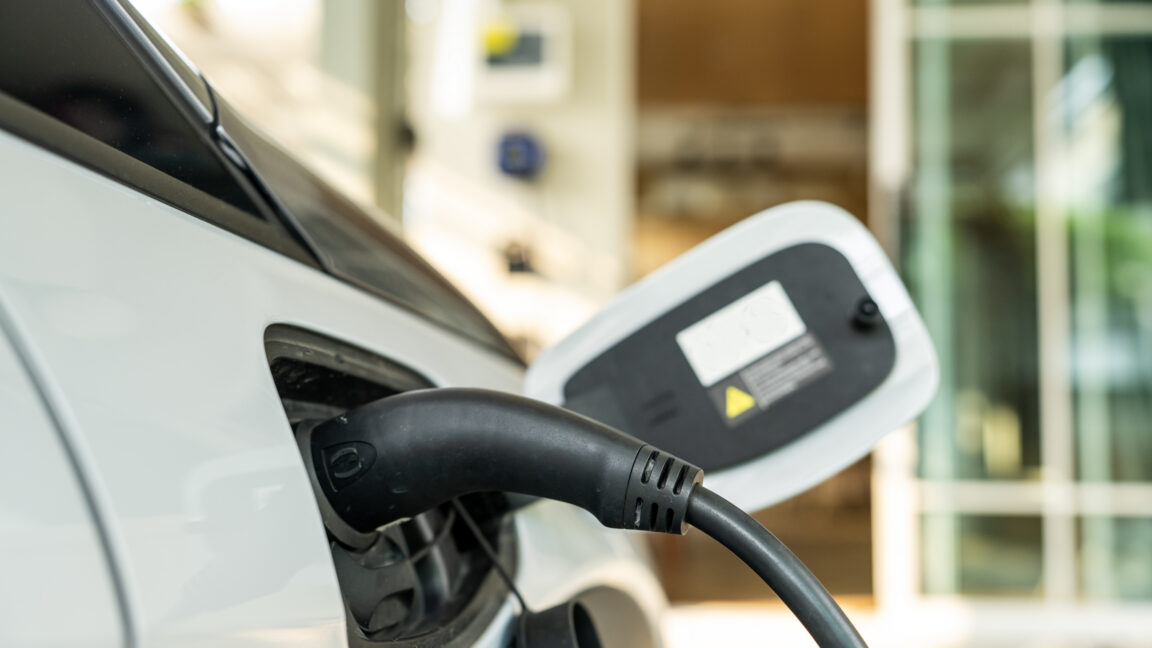
Electric vehicles are shifting from a long-standing 400-volt standard to 800-volt architectures, promising faster charging and better performance. This change, popularized by models like the Porsche Taycan and Hyundai Ioniq 5, reduces electrical current, which lowers heat and allows for thinner, lighter wiring harnesses and charging cables.
The key engineering principle is that higher voltage delivers the same power with less current, improving efficiency and reducing component weight. This benefits both vehicle manufacturing, by saving on materials like copper, and the user experience, through lighter and more manageable charging equipment.
The main topics covered are the transition to 800V systems in EVs, the engineering and physics advantages of higher voltage, and the resulting benefits in vehicle weight, packaging, and charging infrastructure.
For more than a decade, most electric vehicles have quietly shared the same electrical backbone: a battery pack operating at roughly 400 V. It’s the invisible standard behind everything from early compliance cars to today’s best-selling EVs. But over the past few years, a growing number of automakers have doubled that number, moving to 800 V architectures and promising dramatically faster charging, better performance, and improved efficiency.
Cars like the Porsche Taycan and Hyundai Ioniq 5 helped push 800 V into the mainstream conversation, touting 18-minute charging sessions and sustained high-speed performance. On paper, doubling the voltage sounds like a simple upgrade. In reality, it reshapes everything from cable thickness and thermal management to semiconductor choice and charging infrastructure compatibility.
The physics: Why higher voltage matters
Understanding why higher voltage matters is as important as the hardware that carries it.
The math behind it is as follows: P = V x I (power equals voltage times current). Simply put, if you double the voltage, you can deliver the same power with half the current. From an engineering perspective, this means lower resistive losses, less heat in connectors and cables, thinner wiring, and lighter harnesses.
Cable weight and packaging
One underappreciated advantage of higher-voltage EV architectures is their impact on vehicle weight and packaging. Because delivering the same power at 800 V requires less current, engineers can use smaller-gauge copper cables, smaller busbars, lighter charging leads, and less cooling hardware.
That matters because EV wiring harnesses are already substantial—some estimates put them at 132–154 lbs (60–70 kg), with the high-current cables required for 400 V fast charging among the thickest in the vehicle.
Moving to 800 V systems allows manufacturers to use less copper for the wiring harness, improving both efficiency and cost, while also benefiting the charging infrastructure itself, since station cables can be lighter and easier to manage at higher voltages.
From an EV owner’s perspective, it’s also simply easier to plug in when the charging cable isn’t trying to double as a portable gym workout. Higher-voltage systems allow stations to use lighter cables, making plugging in much less like wrestling a fire hose.
 Meridiano