 Meridiano
Article Details
- Title
- Article: China’s tech leaders urge faster AI, humanoid robot adoption in ‘two sessions’ proposals
- Impact Score
- 5 / 10
- AI Summary (Processed Content)
-
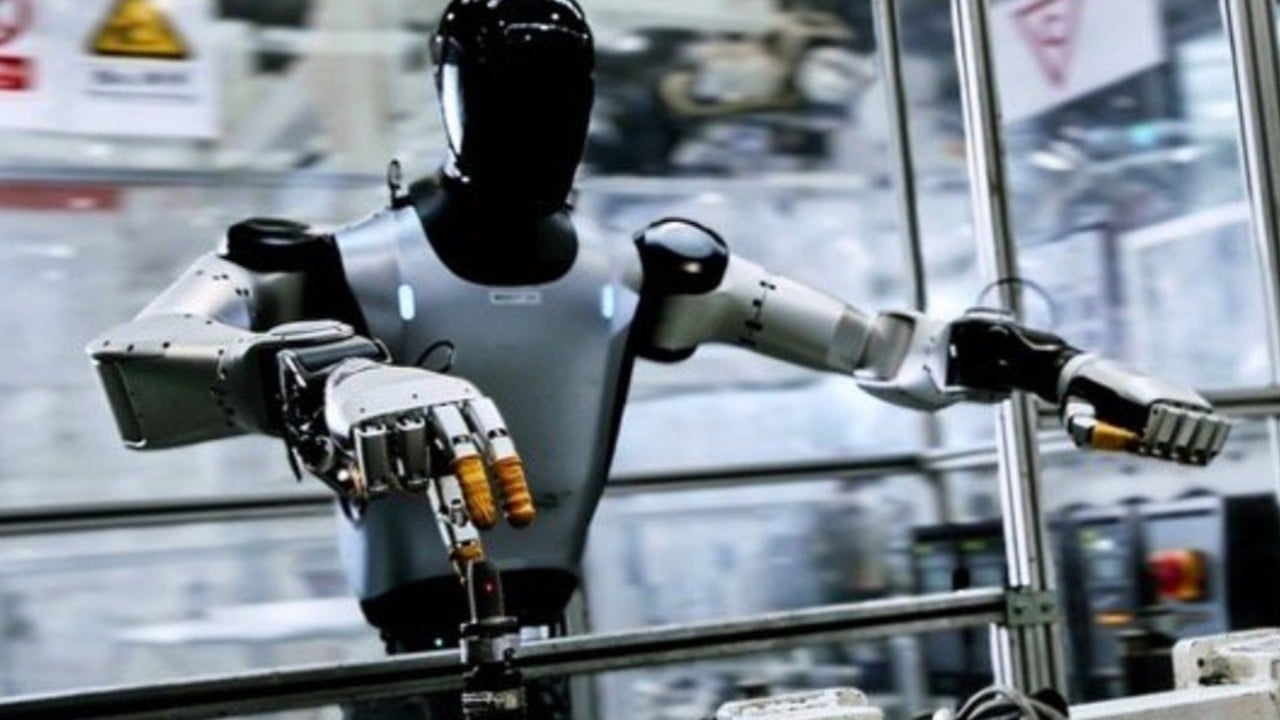
Chinese tech executives have proposed policy recommendations ahead of the annual "two sessions," urging accelerated adoption of AI and humanoid robots. Their proposals specifically call for promoting industrial use of robots, speeding up AI agent deployment, and expanding computing power infrastructure.
These suggestions are framed as crucial for China's competitiveness in the global technology race and align with strategic planning for the upcoming 15th five-year plan. Specific recommendations include funding for long-term innovation, establishing intelligent vehicle standards, and developing "industrial tourism" to showcase manufacturing.
The main topics covered are the policy proposals for advancing artificial intelligence and robotics, the focus on industrial application and infrastructure, and the context of China's strategic five-year planning.
- Original URL
- https://www.scmp.com/tech/policy/article/3345372/chinas-tech-leaders-urge-faster-ai-humanoid-robot-adoption-two-sessions-proposals?utm_source=rss_feed
- Source Feed
- Tech - South China Morning Post
- Published Date
- 2026-03-04 06:37
- Fetched Date
- 2026-03-04 14:29
- Processed Date
- 2026-03-04 15:28
- Embedding Status
- Present
- Cluster ID
- Not Clustered
- Raw Extracted Content