 Meridiano
Article Details
- Title
- Article: Baidu touts AI chips’ potential amid sluggish fourth quarter
- Impact Score
- 5 / 10
- AI Summary (Processed Content)
-
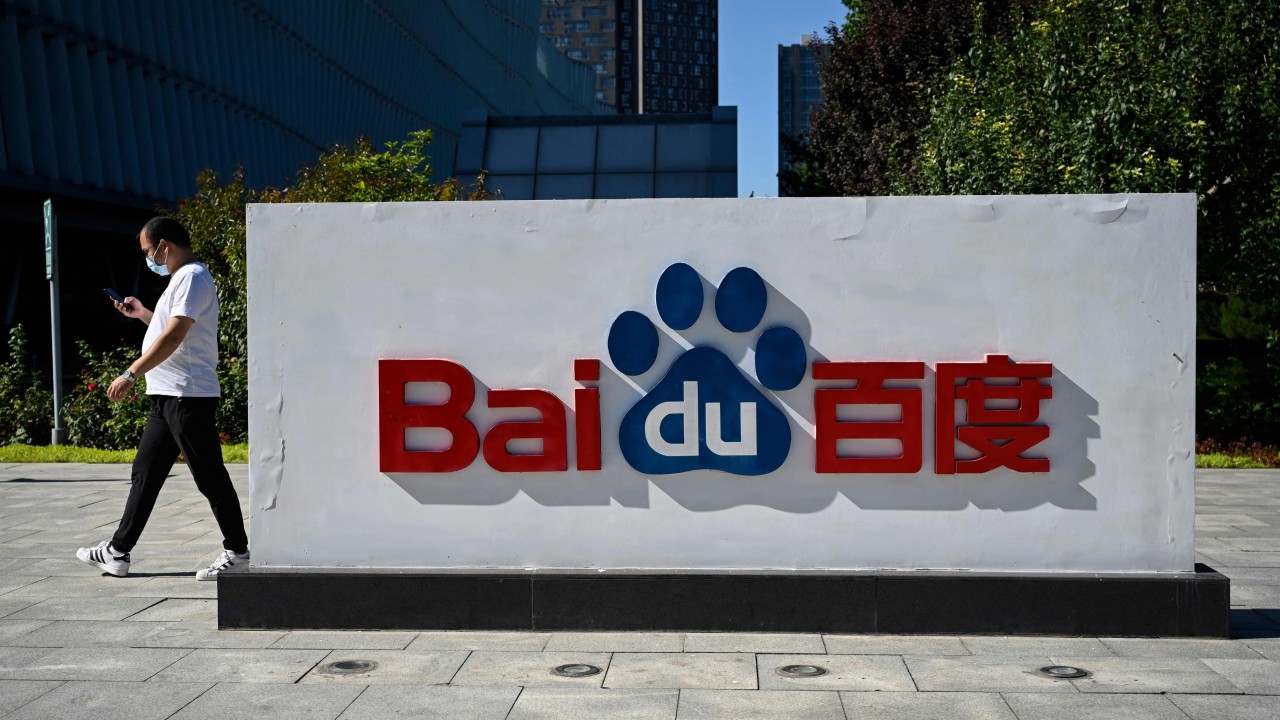
Baidu's AI-related business revenue grew 48% year-on-year to over 11 billion yuan in Q4, serving as a bright spot. However, the company's overall quarterly revenue of 32.74 billion yuan still declined 4% annually due to weak advertising demand.
CEO Robin Li highlighted the strong market recognition and performance of its proprietary Kunlunxin AI chips, noting broad enterprise adoption. These chips are praised for their stable, high-performance computing and compatibility across various AI models.
The main topics covered are Baidu's quarterly financial performance, the growth of its AI business segment, and the promotion of its Kunlunxin AI chip technology.
- Original URL
- https://www.scmp.com/tech/article/3344772/baidu-touts-ai-chips-potential-amid-sluggish-fourth-quarter?utm_source=rss_feed
- Source Feed
- Tech - South China Morning Post
- Published Date
- 2026-02-26 14:00
- Fetched Date
- 2026-03-04 14:29
- Processed Date
- 2026-03-04 15:23
- Embedding Status
- Present
- Cluster ID
- Not Clustered
- Raw Extracted Content