 Meridiano
Article Details
- Title
- Article: China’s AI crossroads: 3 divergent paths in the race for dominance
- Impact Score
- 5 / 10
- AI Summary (Processed Content)
-
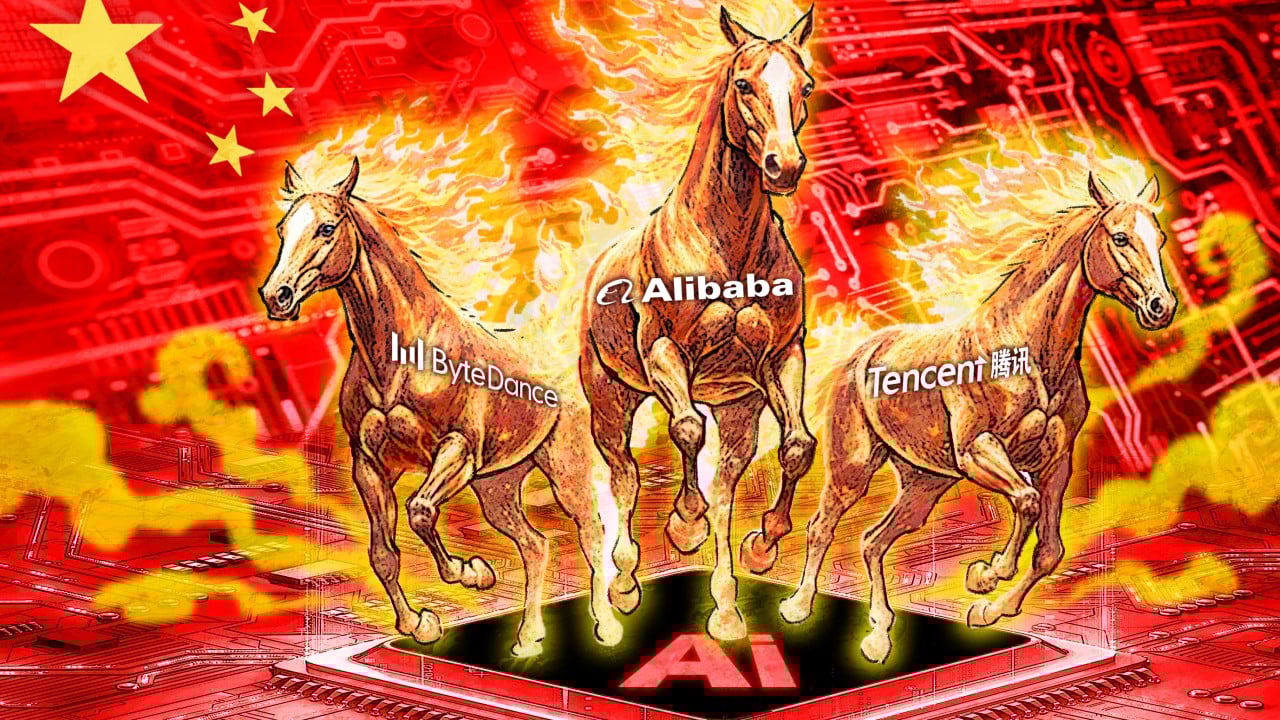
Tencent CEO Pony Ma acknowledged in an internal address that the company was slow to act on artificial intelligence, despite the ongoing global AI race. This moment of self-reflection highlights how the AI rivalry is challenging the established strategies of China's major tech firms.
The article contrasts Tencent's traditionally measured and financially reserved approach with the more vocal and aggressive AI investment strategies of some competitors. It uses Tencent's situation to illustrate the broader strategic crossroads facing Chinese tech giants in the AI era.
The main topics covered are Tencent's position in the AI race, the strategic challenges for China's big tech firms, and the contrasting corporate approaches to AI development and investment.
- Original URL
- https://www.scmp.com/tech/big-tech/article/3344113/chinas-ai-crossroads-3-divergent-paths-race-dominance?utm_source=rss_feed
- Source Feed
- Big Tech - South China Morning Post
- Published Date
- 2026-02-21 03:00
- Fetched Date
- 2026-03-04 14:30
- Processed Date
- 2026-03-04 15:21
- Embedding Status
- Present
- Cluster ID
- Not Clustered
- Raw Extracted Content