 Meridiano
Article Details
- Title
- Article: China’s SMIC expects flat revenue as drop in low-end orders offsets AI chip growth
- Impact Score
- 5 / 10
- AI Summary (Processed Content)
-
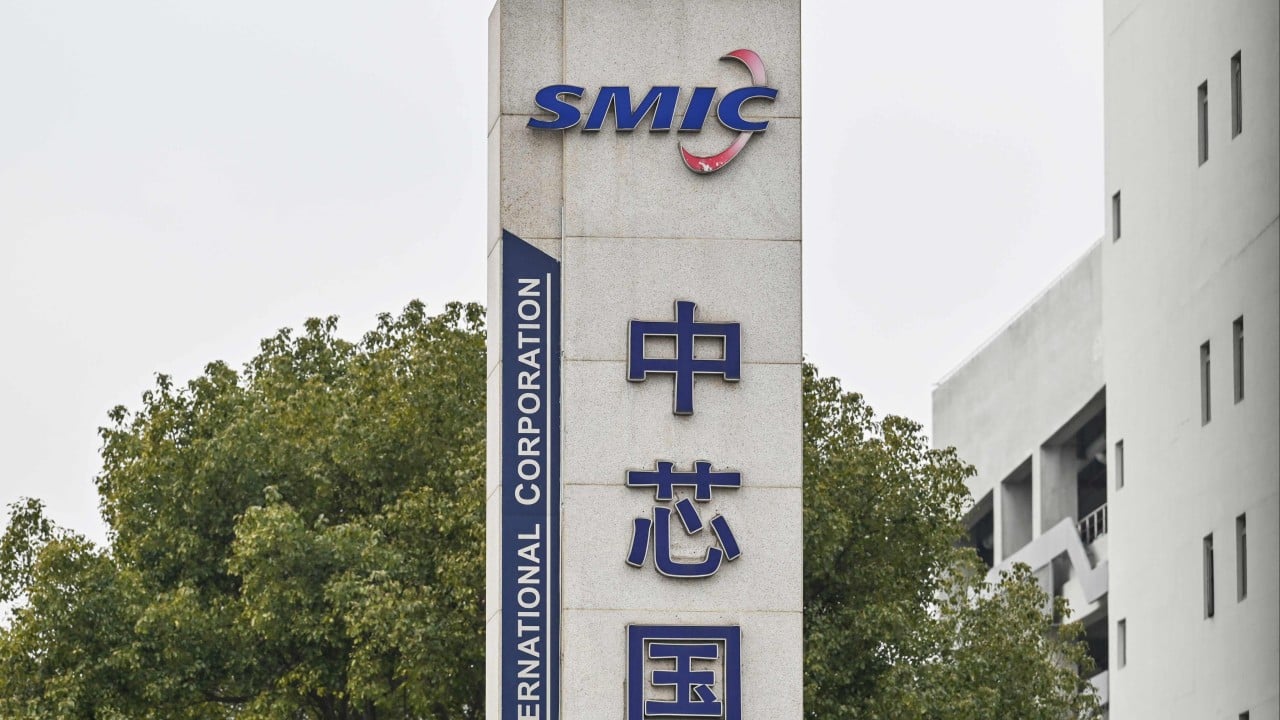
SMIC, China's largest contract chipmaker, expects flat revenue for the first quarter as declining orders for low-end products, like smartphones, offset strong demand for AI chips. The company reported annual revenue and profit growth for 2025, but its profit still fell short of analyst estimates. SMIC's leadership stated they are positioned to address market demands to drive future growth in 2026.
The main topics covered are SMIC's financial performance, its flat revenue outlook due to shifting market demand between low-end and AI chips, and its role in China's semiconductor self-reliance efforts.
- Original URL
- https://www.scmp.com/tech/big-tech/article/3343139/chinas-smic-expects-flat-revenue-drop-low-end-orders-offsets-ai-chip-growth?utm_source=rss_feed
- Source Feed
- Big Tech - South China Morning Post
- Published Date
- 2026-02-11 03:13
- Fetched Date
- 2026-03-04 14:30
- Processed Date
- 2026-03-04 15:19
- Embedding Status
- Present
- Cluster ID
- Not Clustered
- Raw Extracted Content