Elon Musk claims Tesla will be among the first to achieve Artificial General Intelligence (AGI), specifically in a physically embodied form through its Optimus robot and manufacturing systems. AGI, defined as AI performing broad intellectual tasks at human levels, is a central goal for major labs like OpenAI and Google DeepMind, though experts note current systems lack crucial capabilities like real-world understanding and autonomy.
Industry leaders offer differing timelines for AGI's arrival, with OpenAI's Sam Altman suggesting it could happen within the current US presidential term and DeepMind's Demis Hassabis predicting five to seven years. They emphasize the technology's potential monumental impact and the concurrent need for strong governance to ensure its benefits.
The main topics covered are: Elon Musk's and Tesla's claims about embodied AGI, the definition and competitive race for AGI among tech companies, expert assessments of current AI limitations, and predicted timelines and governance concerns from industry leaders.
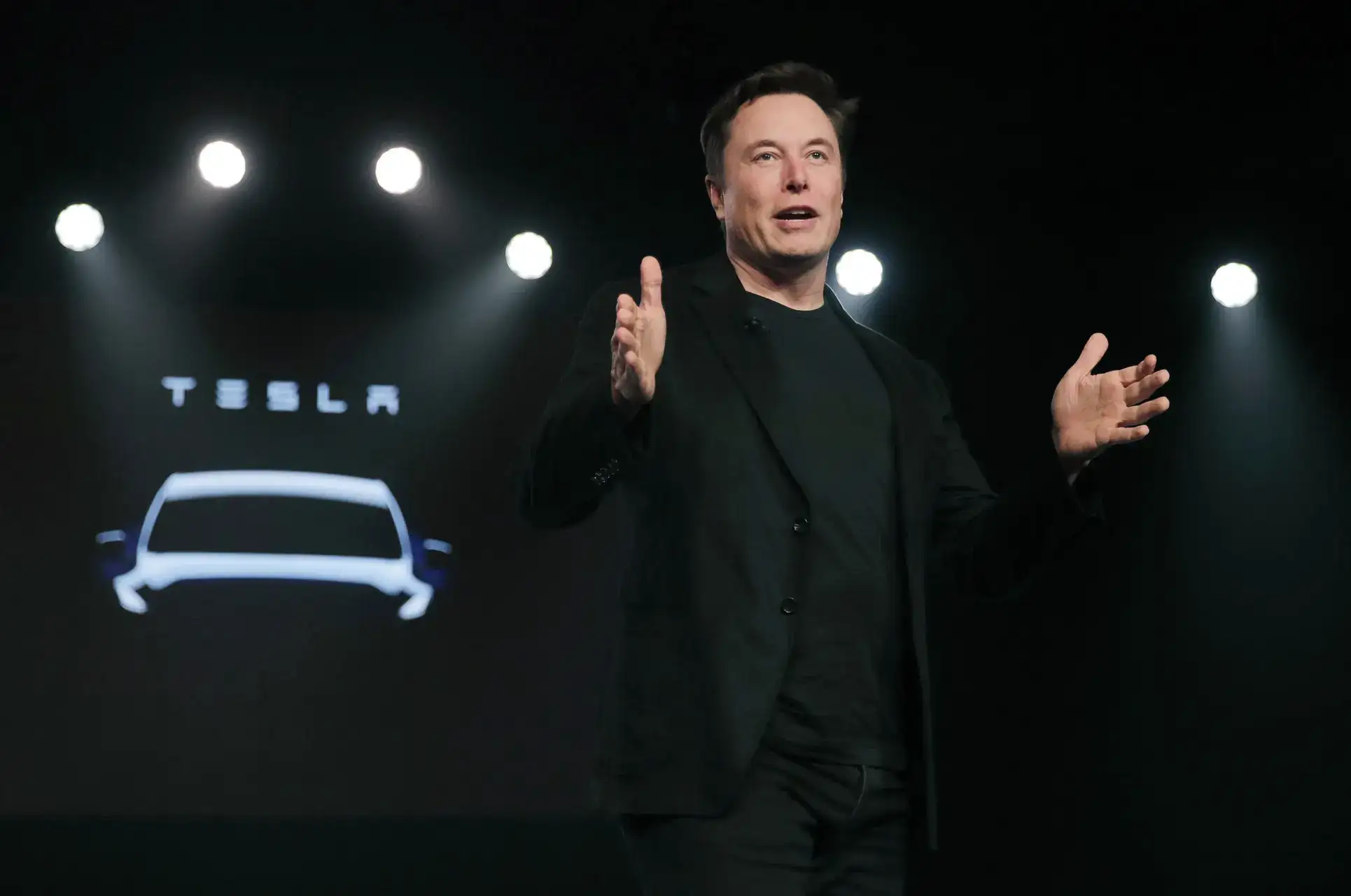
Elon Musk has claimed that his electric vehicle firm Tesla will be among the first to build artificial general intelligence (AGI), and âprobably the first to make it in humanoid / atom-shaping form,â in a new post on X.
Musk deems Teslaâs work on its Optimus humanoid robot and manufacturing systems as a way not just to advanced automation, but to physically embodied AGI that can manipulate the real world with high precision.
AGI refers to AI systems that can perform a wide range of intellectual tasks at or beyond human level, rather than being limited to specific, narrow applications such as chatbots or image generators.
This has become a major battle between big AI labs such as OpenAI, Google DeepMind, Anthropic, and xAI, who are jostling for supremacy in more general-purpose machine intelligence. Meta is seeking to reach something more personal, which it calls "Super Intelligence", where the technology uniquely knows the user.
Many frontier LLMs and agents today demonstrate impressive performance in different aspects. However, several experts and academic reviews still consider AGI hypothetical or a future possibility as these systems lack robust autonomy, grounded understanding of the physical world, consistent longâterm planning, and reliable selfâimprovement without human oversight.
Top industry leaders have offered differing views on when AGI might arrive. OpenAI chief executive Sam Altman has said he expects AGI to be developed within the current US presidential term. He has also said AGI is âa very sloppy termâ, warning that powerful systems need strong governance.
At the India AI Impact Summit in February, DeepMind CEO Demis Hassabis said AGI could be here in five to seven years. He said it could have âten times the impact of the Industrial Revolution, probably at ten times the speed of anything elseâ. However, he added, âitâs still to be written how we can make that beneficial for the whole worldâ.
Musk deems Teslaâs work on its Optimus humanoid robot and manufacturing systems as a way not just to advanced automation, but to physically embodied AGI that can manipulate the real world with high precision.
AGI refers to AI systems that can perform a wide range of intellectual tasks at or beyond human level, rather than being limited to specific, narrow applications such as chatbots or image generators.
This has become a major battle between big AI labs such as OpenAI, Google DeepMind, Anthropic, and xAI, who are jostling for supremacy in more general-purpose machine intelligence. Meta is seeking to reach something more personal, which it calls "Super Intelligence", where the technology uniquely knows the user.
Many frontier LLMs and agents today demonstrate impressive performance in different aspects. However, several experts and academic reviews still consider AGI hypothetical or a future possibility as these systems lack robust autonomy, grounded understanding of the physical world, consistent longâterm planning, and reliable selfâimprovement without human oversight.
Top industry leaders have offered differing views on when AGI might arrive. OpenAI chief executive Sam Altman has said he expects AGI to be developed within the current US presidential term. He has also said AGI is âa very sloppy termâ, warning that powerful systems need strong governance.
At the India AI Impact Summit in February, DeepMind CEO Demis Hassabis said AGI could be here in five to seven years. He said it could have âten times the impact of the Industrial Revolution, probably at ten times the speed of anything elseâ. However, he added, âitâs still to be written how we can make that beneficial for the whole worldâ.
 Meridiano